Dermatologist-guided care,
personalized to your skin.

GET STARTED

Acne treatment comparison

Doxycycline vs Duricef

Doxycycline has the stronger acne evidence and is named in current AAD guidance. Duricef—brand-name cefadroxil—is a first-generation cephalosporin that Honeydew may offer off-label when a provider decides a tetracycline is not appropriate. Direct cefadroxil acne evidence is thin, so these are not equal or self-directed substitutes.

Get Started

A licensed provider must confirm the diagnosis, review allergies and choose whether any oral antibiotic belongs in the plan.

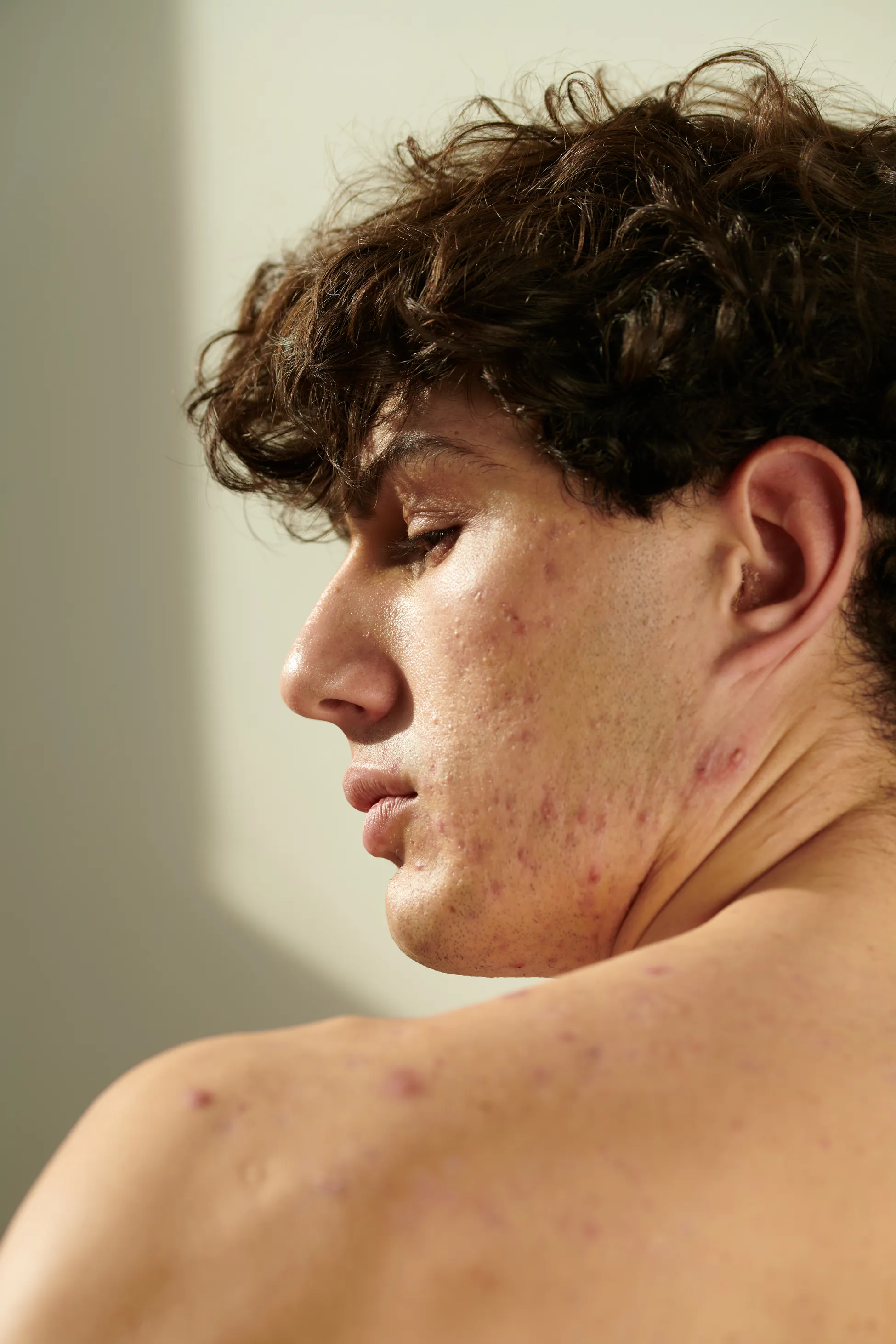
Person considering acne treatmentOne goal. Different paths.
The short answer

Start with evidence, then individualize: doxycycline is the established tetracycline path; cefadroxil is an off-label alternative that may enter the conversation when medical context changes the usual choice.

At a glance

Two oral antibiotics, different levels of support

Choose a priority to organize the comparison. This tool cannot diagnose acne, rule out folliculitis or decide that one antibiotic should replace another.

Compare by priority

Select the concern you want to understand first.

Choose a priority to highlight the most relevant treatment profile.

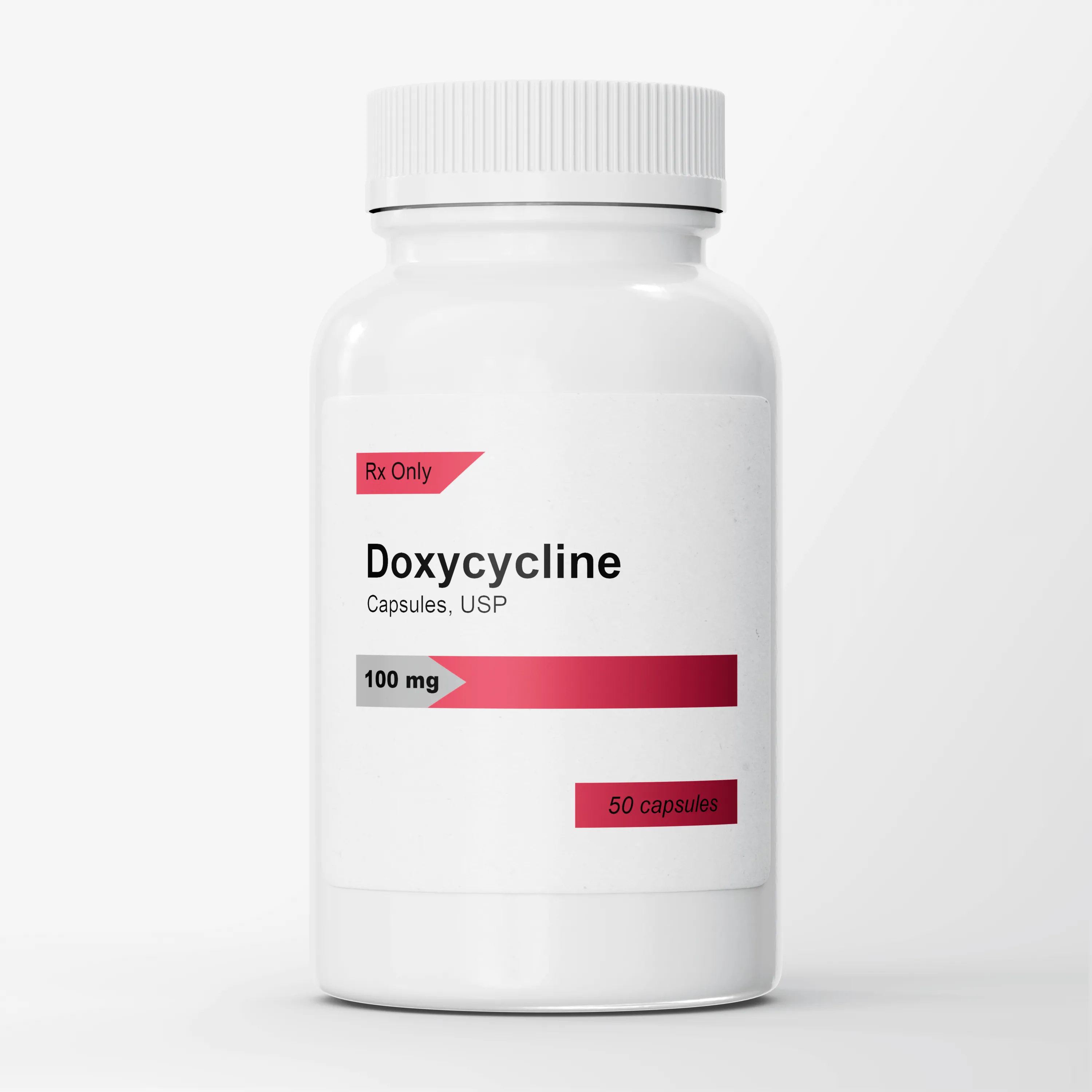
Doxycycline treatmentOral tetracycline antibiotic

Doxycycline

Has a guideline-supported systemic role for inflammatory acne. It is generally used for a defined course alongside benzoyl peroxide and other topical therapy.

  • Evidence positionNamed in current AAD recommendations, with clinical studies specific to acne
  • Often discussed forModerate-to-severe red, swollen or tender acne on the face or body
  • Routine tradeoffsSun sensitivity, stomach upset and careful swallowing instructions
  • Long-term roleA bridge to topical maintenance, not an indefinite solo treatment
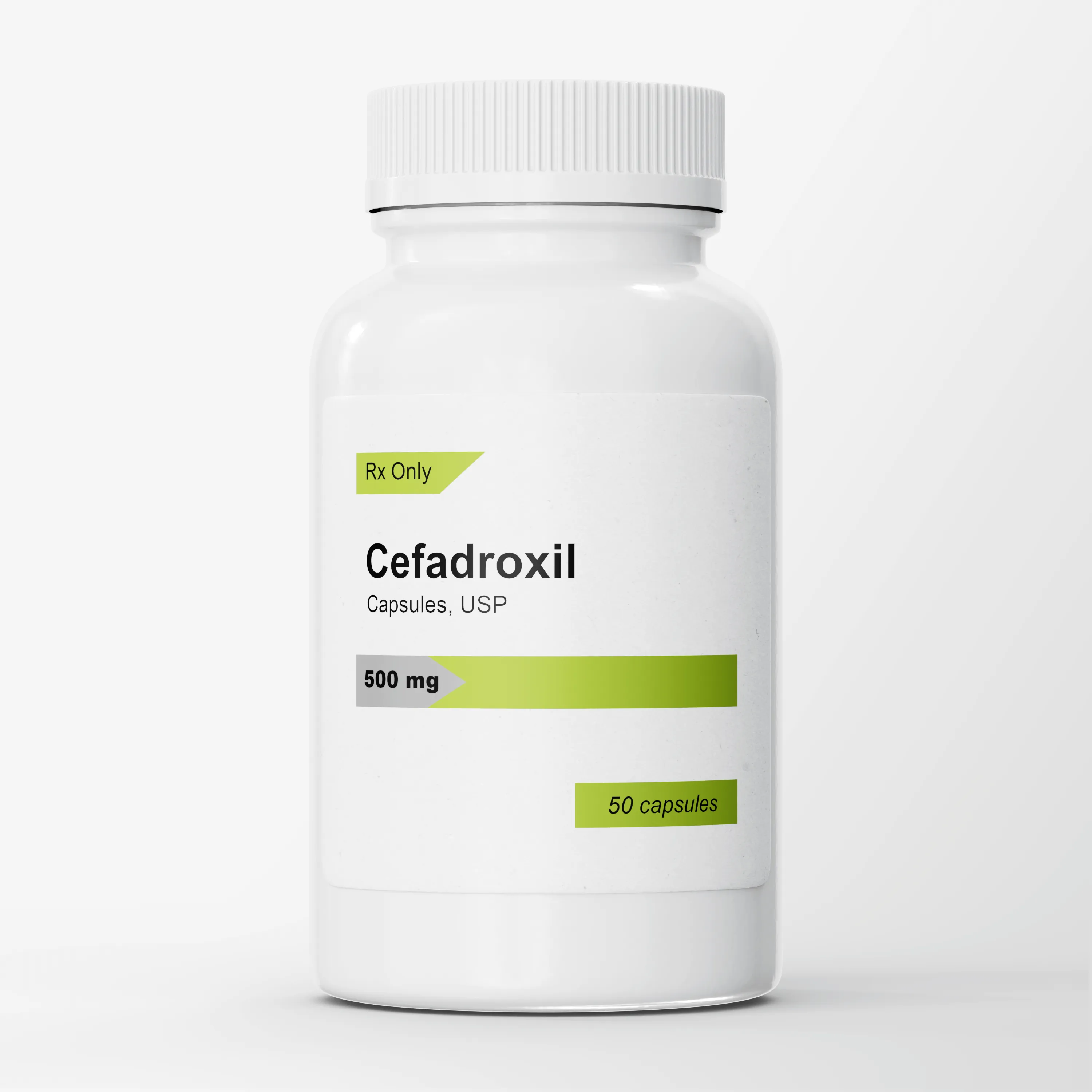
Duricef (cefadroxil) treatmentOral cephalosporin antibiotic

Duricef / cefadroxil

Honeydew offers cefadroxil off-label for selected inflammatory-acne cases. It may be considered when tetracyclines do not fit, but direct acne evidence is limited.

  • Evidence positionNot named in current AAD highlights; labeling does not list acne
  • Possible discussionA special-circumstance alternative after provider review
  • Routine tradeoffsBeta-lactam allergy history, GI effects and kidney-based dosing considerations
  • Long-term roleStill a time-limited antibiotic with topical support and an exit plan

Best suited for

Use the standard path unless the patient context changes it

Inflamed lesions, treatment area, scarring risk, previous antibiotics, pregnancy plans, age, allergies and kidney history can all change the decision.

Doxycycline may fit when…

  • Moderate-to-severe inflammatory papules and pustules need systemic control
  • Red, tender acne spans the face, shoulders, chest or back
  • Topicals alone have not controlled a significant inflammatory flare
  • A well-supported oral bridge can be paired with benzoyl peroxide and maintenance

It may not fit when

  • Pregnancy, young age or tetracycline allergy changes safety
  • Photosensitivity or esophageal irritation has been severe or unmanageable
  • Blackheads and whiteheads dominate without a meaningful inflammatory burden
  • The plan lacks a stop point or non-antibiotic treatment for what follows

Duricef may enter the discussion when…

A provider may consider it

  • Inflammatory acne warrants an oral option but a tetracycline does not fit
  • Prior doxycycline caused a clinically important tolerability problem
  • The clinician has reviewed the narrower evidence and still finds a cephalosporin reasonable
  • A short course can be coordinated with benzoyl peroxide and topical maintenance

It may not fit when

  • There is a known cephalosporin allergy or a concerning beta-lactam reaction history
  • Kidney impairment has not been disclosed and assessed
  • The goal is the oral antibiotic with the strongest acne-specific guideline support
  • A patient wants to switch using leftover pills or borrowed dosing instructions
Not a DIY fork in the road: A failed or poorly tolerated doxycycline course does not automatically make cefadroxil appropriate. It may instead prompt a diagnosis check, a different drug class, a hormonal strategy or isotretinoin discussion.

The evidence ladder

“Alternative” does not mean “equally proven”

Approval, guideline support and related-drug experience answer different questions. Keeping them separate prevents a reasonable exception from turning into a false equivalence.

Doxycycline · established rung

Current guidance names the medicine

The AAD lists oral doxycycline among recommended systemic acne therapies. A current doxycycline label also recognizes adjunctive use in severe acne. That does not make it right for everyone, but it gives clinicians acne-specific evidence and guidance to weigh against its known risks.

Even this better-supported option remains an antibiotic. Guidance still calls for limited exposure, benzoyl peroxide and other topical therapy rather than open-ended monotherapy.

Cefadroxil · exception rung

Related evidence cannot close the gap

Cefadroxil's label lists certain bacterial infections, not acne. Older acne guidance described cephalosporins as special-circumstance alternatives but emphasized limited data. Small studies of cephalexin and cefpodoxime suggest that related drugs have been used, yet neither study tested cefadroxil against doxycycline.

That evidence can support a careful conversation; it cannot prove that Duricef works as well, predict an individual response or supply a standard acne dose.

Evidence limit, stated plainly: Direct clinical evidence for cefadroxil in acne is sparse. Honeydew's use is off-label, and a provider should explain why it fits.

Side effects and safety

Different precaution lists; neither is the “easy” antibiotic

Both can disturb normal flora, cause severe diarrhea or trigger allergic reactions. The differences affect screening and daily use, not whether oversight is needed.

Doxycycline

Common or important effects

  • Nausea, vomiting or diarrhea
  • Sun sensitivity and exaggerated sunburn
  • Throat or esophageal irritation
  • Yeast or other organism overgrowth

Important safety considerations

Take the prescribed formulation with adequate fluid and follow positioning and food instructions. Antacids, iron, calcium and magnesium can impair absorption. Pregnancy, tooth development, severe skin reactions and intracranial hypertension require attention.

Urgent symptoms: Seek prompt medical guidance for severe headache or vision change, trouble swallowing, a serious rash, breathing difficulty, or persistent watery or bloody diarrhea. Do not take doxycycline and isotretinoin together; a prescriber must manage any transition.
Duricef / cefadroxil

Common or important effects

  • Stomach upset, nausea, vomiting or diarrhea
  • Rash, hives, itching or swelling
  • Yeast or other organism overgrowth
  • Rare serious antibiotic-associated colitis

Important safety considerations

Cefadroxil is contraindicated with known cephalosporin allergy. A provider must examine any penicillin or beta-lactam reaction history. Because the drug is substantially cleared by the kidneys, impaired renal function can change dosing and monitoring.

Pregnancy is individualized: Do not assume cefadroxil is automatically appropriate because doxycycline may not be. Share pregnancy, breastfeeding and obstetric history so the dermatology and obstetric clinicians can choose a suitable plan.

Treatment timeline and role

Document the reason, measure the flare, preserve the exit

These sequences describe clinician-managed roles, not dosing schedules. Response, safety and diagnosis determine the actual dates.

Doxycycline · standard evidence path

Build the full plan

Confirm inflammatory acne, screen safety and start the non-antibiotic topical foundation.

Reassess the trend

Honeydew describes early change within weeks and a fuller review around 8–12 weeks.

End the bridge

Stop on the prescriber's plan and continue topical maintenance rather than extending by default.

Duricef · exception path

Record why

Document the tetracycline constraint, allergy history, kidney context and evidence tradeoff.

Require a signal

Honeydew describes review over roughly 8–12 weeks, but robust cefadroxil-specific acne timing data are lacking.

Do not drift

Withdraw the antibiotic as directed and maintain with provider-selected non-antibiotic care.

Interactive cost comparison

Both use basic care; the prescription is separate

Switch the billing schedule to see the Honeydew membership fee. Medication, over-the-counter benzoyl peroxide and any provider-directed lab work are not included.

Our basic membership

Doxycycline care

$25/month equivalent

Billed $299 once per year

Medication: Honeydew lists common examples around $10–$30 retail or $5–$15 with common discounts.

Labs: Not usually routine for a standard acne course; separate if ordered.

Our basic membership

Duricef care

$25/month equivalent

Billed $299 once per year

Medication: Honeydew says eligible insured patients may pay as little as $0; cash cost varies by prescription and pharmacy.

Labs: Separate if kidney history or another clinical factor prompts testing.

The real comparison

Evidence and fit before price

Individual

Do not switch to chase a quoted price

Coverage: Formulation, dose, quantity, insurance and pharmacy change medication cost.

Clinical fit: A cheaper fill is not useful if the drug is unsupported or unsafe for the case.

Price snapshot reviewed August 3, 2026. Membership excludes prescription medication, lab work and over-the-counter products. Insurance and cash examples are eligibility- and pharmacy-dependent, may change and are not guarantees. The interactive figures show membership billing only.

How your care works

Make the exception explainable and the antibiotic temporary

Honeydew can coordinate selection, tolerability checks and maintenance.

1

Confirm the pattern

Upload photos and describe lesion type, body areas, scarring, prior topicals and antibiotic history.

2

Screen the constraints

Share pregnancy plans, age, allergies, kidney history, sun exposure, medicines and prior reactions.

3

Choose with context

Discuss the guideline-supported option first and why a less-established alternative may or may not fit.

4

Track the exit

Use progress photos and messages to assess response, limit antibiotic exposure and refine maintenance.

Frequently asked questions

Doxycycline and Duricef, answered

Is doxycycline or Duricef better for acne?

There is no universal winner, but the evidence is not tied: doxycycline has current AAD support and substantially more acne-specific evidence. Cefadroxil may be considered off-label when a provider finds that the usual tetracycline path does not fit. The decision also depends on lesion type, allergies, pregnancy, age, kidney function and prior response.

Is Duricef FDA-approved for acne?

No. Cefadroxil's current label lists certain urinary, skin and throat infections, not acne. Small acne studies on related cephalosporins—cephalexin and cefpodoxime—do not prove cefadroxil is equivalent to doxycycline. Honeydew's use for acne is off-label and should come with an individualized clinical reason.

Can I switch to Duricef if doxycycline makes me sun-sensitive?

Contact the prescriber instead of switching or using leftover antibiotics. Doxycycline's label includes photosensitivity; cefadroxil does not carry that same tetracycline warning. But cefadroxil introduces different questions, including cephalosporin allergy and kidney clearance, and its acne evidence is thinner. A provider may adjust the current plan or choose another treatment category.

Should either antibiotic be used with benzoyl peroxide?

Current AAD guidance says systemic antibiotics should be combined with benzoyl peroxide and other topical therapies to help limit resistance and address acne through multiple mechanisms. Honeydew also describes topical support with each antibiotic. The exact product, timing and frequency should be chosen around skin tolerance.

Can I take Duricef with a penicillin allergy?

Do not decide from the allergy label alone. Cefadroxil is contraindicated with known cephalosporin allergy, and its label calls for careful review of prior reactions to penicillins and other beta-lactams. The type, timing and severity of the original reaction matter. Give the prescriber the most specific history possible.

How long are doxycycline and cefadroxil used for acne?

Both should have a limited, prescriber-defined role. Honeydew commonly describes review over about 8–12 weeks, but the direct cefadroxil acne evidence is too sparse to treat that range as a proven universal schedule. Response, side effects and the maintenance plan determine the next step; do not extend or repeat a course independently.

A clearer next step

Ask why this antibiotic fits and how it ends

Bring your treatment history, allergy details and routine constraints to a dermatology provider who can weigh the established path against any special-case alternative and build the topical plan around it.

Get Started

Medical disclaimer: This page provides general U.S.-focused education and cost examples, not a diagnosis, allergy assessment, pregnancy plan or personalized treatment recommendation. Do not start, stop, combine, substitute or change prescription antibiotics without a licensed clinician. Seek urgent care for severe symptoms or a medical emergency.