Dermatologist-guided care,
personalized to your skin.

GET STARTED

Acne treatment comparison

Doxycycline vs tretinoin

Doxycycline and tretinoin usually are not an either-or decision. Oral doxycycline is used for a limited period to calm moderate-to-severe inflammatory acne. Topical tretinoin helps prevent clogged pores and can remain part of maintenance. Providers often start them together, then stop the antibiotic on plan while the topical routine continues.

Get Started

A licensed provider decides whether an oral antibiotic is warranted and builds the topical and benzoyl-peroxide plan around it.

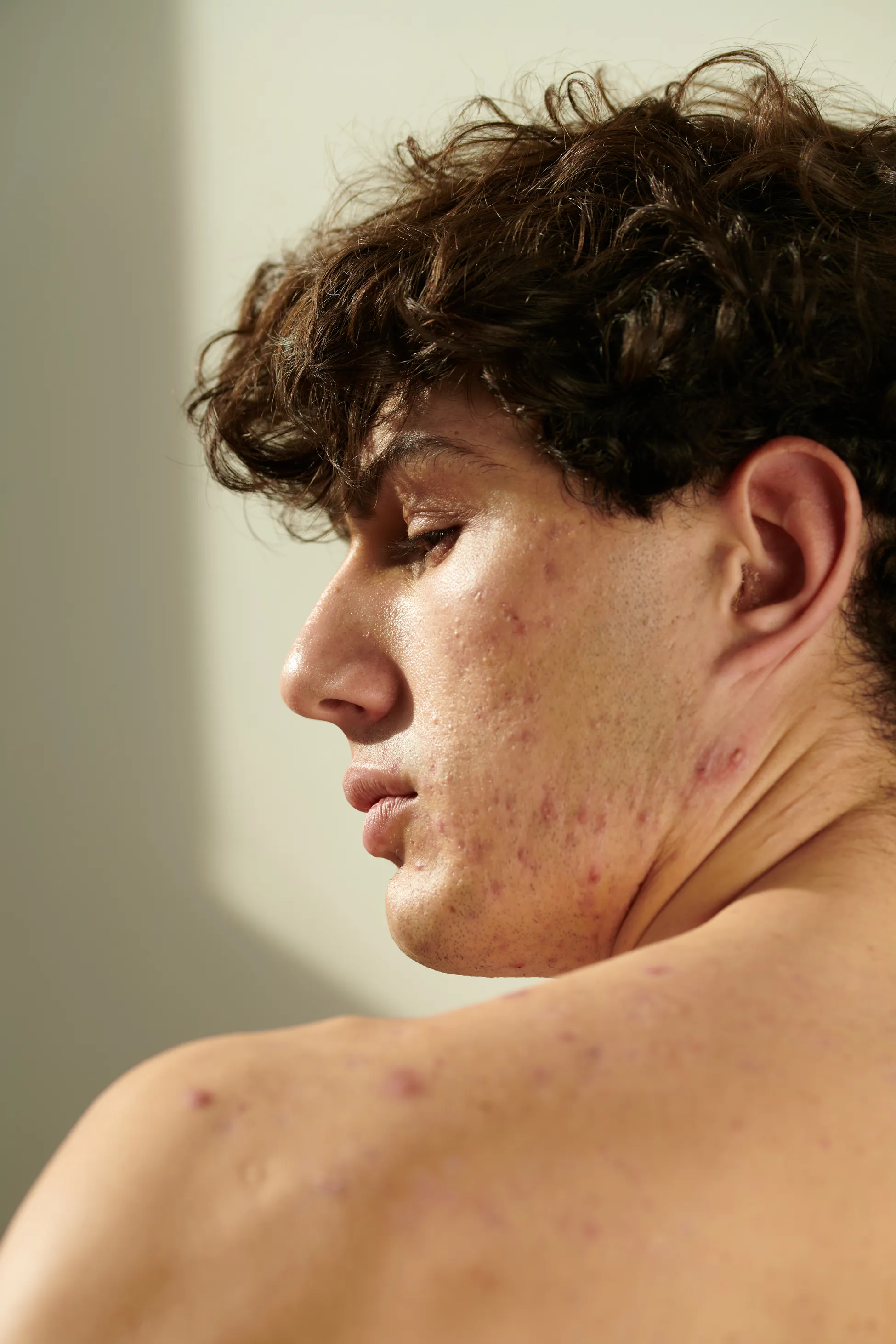
Person considering acne treatmentOne goal. Different paths.
The short answer

Doxycycline may fit an active red, tender or widespread flare that needs systemic treatment. Tretinoin may fit blackheads, whiteheads and long-term prevention.

At a glance

Settle the flare while building what comes next

Choose a priority to highlight a treatment role. This tool cannot grade your acne, diagnose an infection or determine whether an antibiotic is safe.

Compare by priority

Select the decision you want to understand first.

Choose a priority to highlight the most relevant treatment profile.

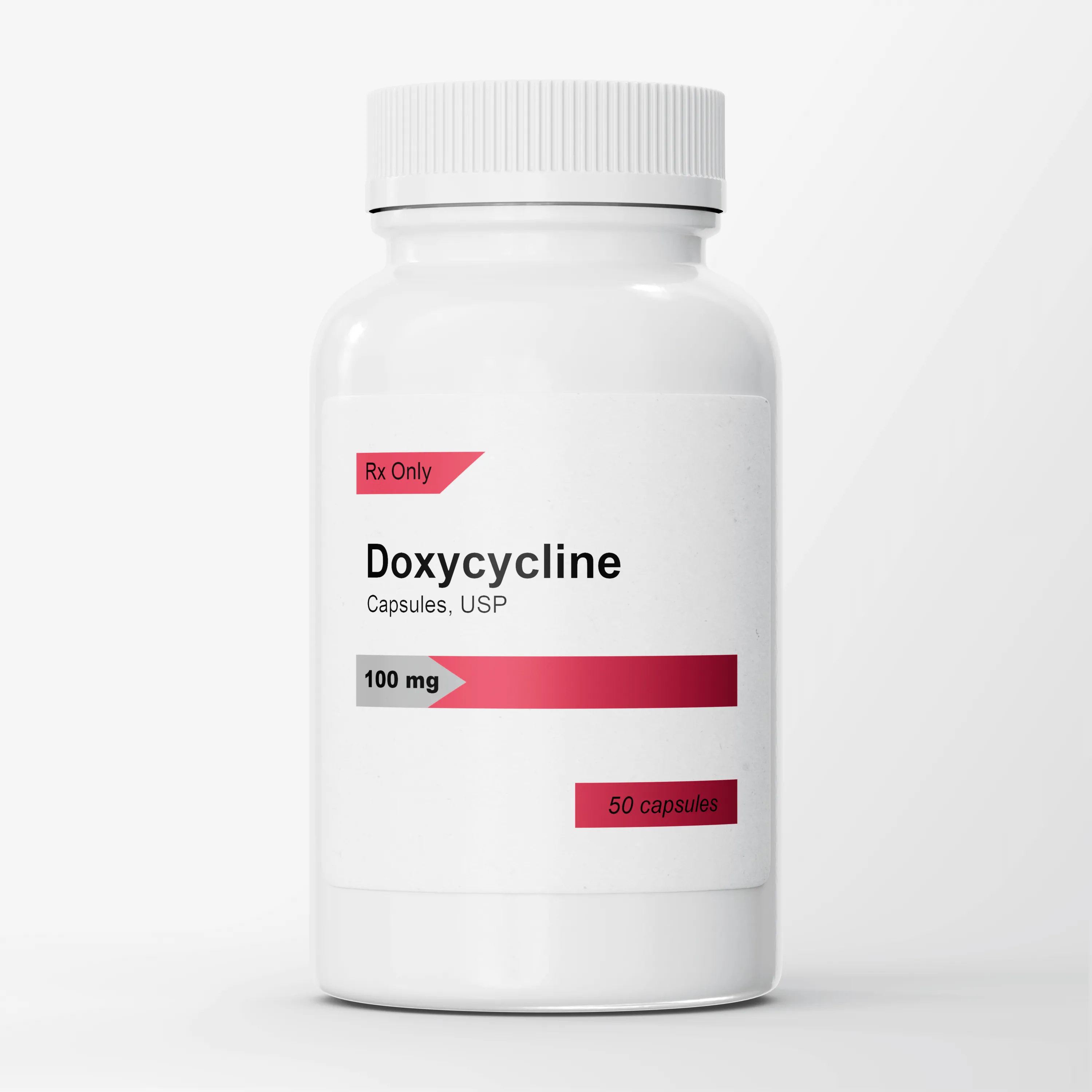
Doxycycline treatmentOral tetracycline antibiotic

Doxycycline

Works systemically and is strongly recommended in current acne guidance. Its acne role is generally a defined course alongside non-antibiotic topical therapy—not open-ended antibiotic monotherapy.

  • Often discussed forModerate-to-severe inflammatory papules, pustules and tender breakouts
  • Where it worksAcross treated acne patterns on the face, chest, shoulders and back
  • TimelineHoneydew describes early change within weeks and review over roughly 8–12 weeks
  • Planned roleReduce the inflammatory load, then step down when the prescriber says the course is complete
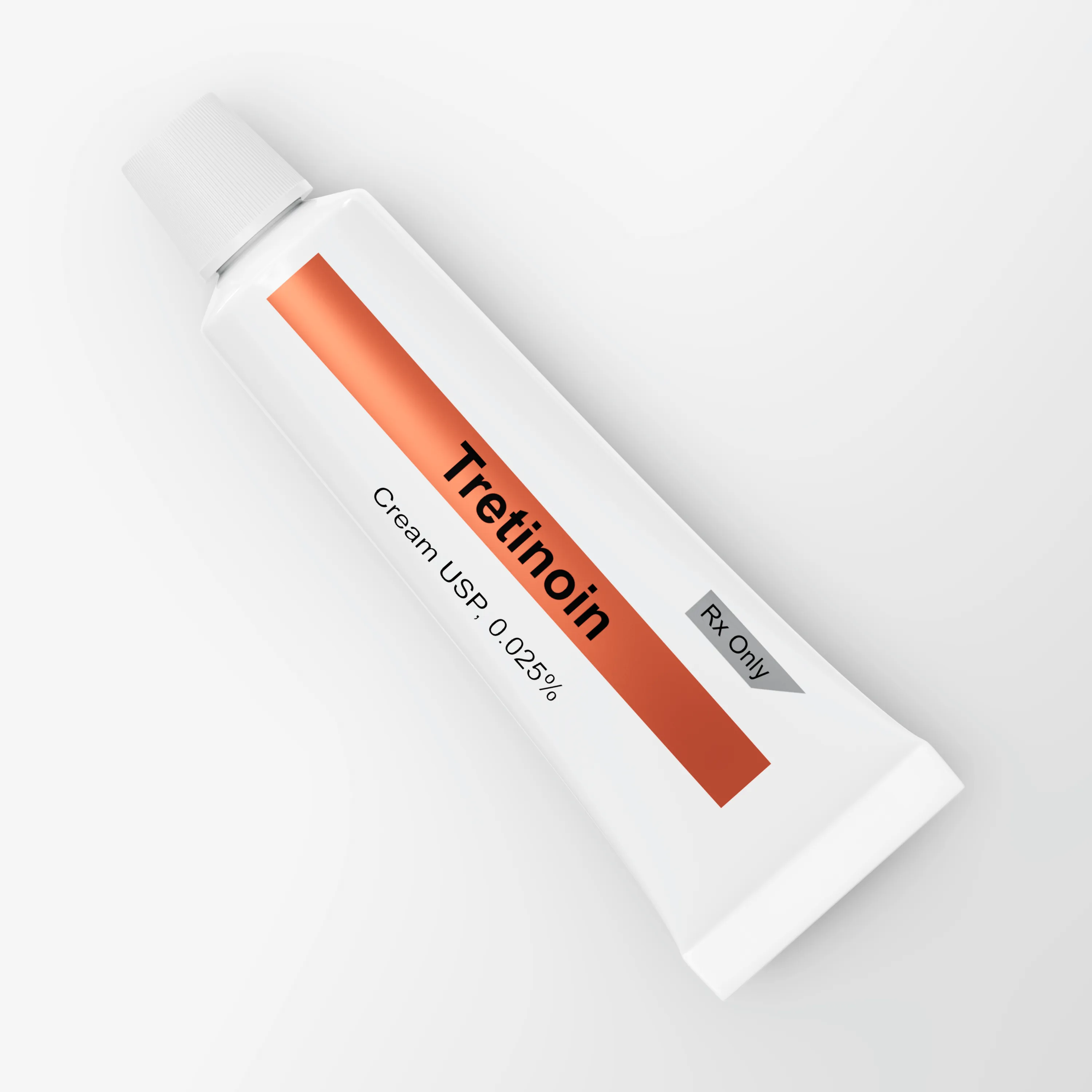
Tretinoin treatmentTopical retinoid

Tretinoin

Acts in treated follicles to reduce microcomedone formation. It can address existing comedonal acne, support a combined plan and continue after an oral antibiotic is withdrawn.

  • Often discussed forBlackheads, whiteheads, mixed acne and recurring pore congestion
  • Where it worksOnly on skin that receives a consistent thin application
  • TimelineEarly irritation or apparent worsening may occur; definite benefit can take more than six weeks
  • Planned roleBuild tolerance during the flare phase, then keep supporting prevention and maintenance

Best suited for

Match the medicine to lesion type, treatment area and time horizon

A few inflamed spots do not automatically call for an oral antibiotic. Severity, scarring risk, prior care and routine feasibility all matter.

Doxycycline may fit when…

  • Numerous red, swollen or tender lesions need broader inflammatory control
  • Inflamed acne covers the chest or back as well as the face
  • Topical treatment alone has not controlled a moderate-to-severe flare
  • A defined bridge can protect progress while a topical maintenance routine develops

It may not fit when

  • Blackheads and whiteheads are the main concern without much inflammation
  • Pregnancy, age, allergy or another medicine changes tetracycline safety
  • There is no plan to limit duration or pair the antibiotic with appropriate topicals
  • Acne is nodular, scarring or persistent enough to require a different escalation discussion

Tretinoin may fit when…

  • Clogged pores, blackheads and whiteheads are prominent
  • Mixed acne needs a pore-focused layer beside short-term oral treatment
  • A non-antibiotic maintenance strategy is needed after inflammation improves
  • Consistent application to the full acne-prone area is realistic

It may not fit when

  • Pregnancy or trying to conceive calls for a provider-selected alternative
  • Eczema, sunburn or a damaged barrier makes irritation especially likely
  • Inflammatory acne is too extensive for a topical-only starting plan
  • The routine already contains irritating products that cannot yet be simplified
Not simple substitutes: Tretinoin does not reproduce the short-term systemic role of doxycycline, and doxycycline does not replace long-term pore maintenance. A provider may use both because the jobs differ.

The bridge-and-handoff plan

Design the exit from the antibiotic before the first dose

The strongest narrative for this pair is not “add two medicines.” It is “give the oral medicine an end point and the topical medicine enough time to take over its own role.”

Phase one · overlap

Calm visible inflammation without waiting to start prevention

Doxycycline can reduce inflammatory activity across a broad treatment area. Tretinoin works more gradually at the follicle, where microcomedones begin. Starting the topical during the oral course can let tolerance and pore-focused benefit develop while the antibiotic is still doing its limited job.

Trials pairing doxycycline with topical retinoids support the logic of overlap, but no single regimen proves that this exact pair, dose and schedule is best for everyone.

Phase two · handoff

Remove antibiotic exposure without removing acne care

When the flare is controlled, the prescriber can stop doxycycline and keep a non-antibiotic topical routine in place. Tretinoin may continue to reduce new comedones; benzoyl peroxide may have a separate role before, during or after the course, depending on irritation and the provider’s instructions.

If acne rebounds, the answer is not automatically another long antibiotic course. The pattern may need a new diagnosis, adherence review, hormonal strategy or escalation.

Stewardship boundary: Current AAD guidance recommends limiting systemic antibiotics and combining them with benzoyl peroxide and other topicals. Tretinoin supports multimodal care and maintenance; benzoyl peroxide is the specific non-antibiotic antimicrobial layer used to help limit resistance.

Side effects and safety

Protect the esophagus, the microbiome and the skin barrier

One medicine creates systemic antibiotic precautions; the other creates local irritation precautions. Sun protection matters with both.

Doxycycline

Common or important effects

  • Nausea, stomach upset or diarrhea
  • Sun sensitivity and exaggerated sunburn
  • Throat or esophageal irritation
  • Yeast or other non-susceptible-organism overgrowth

Important safety considerations

Take doxycycline with adequate fluid and follow directions about remaining upright. Antacids and products containing iron, aluminum, calcium or magnesium can reduce absorption. Report severe diarrhea, persistent headache, vision changes, rash or trouble swallowing promptly.

Pregnancy and children: Current labeling warns about fetal and childhood tooth and bone development during specified periods. Share pregnancy, breastfeeding and age information; the prescriber decides whether doxycycline is appropriate.
Tretinoin

Common or important effects

  • Dryness, peeling or tightness
  • Redness, warmth or stinging
  • Greater irritation from harsh or drying products
  • Temporary early apparent worsening in some patients

Important safety considerations

Apply only the prescribed thin amount and frequency. Keep it away from eyes, lips and mucous membranes, and minimize unprotected sun exposure. Severe or persistent irritation may require less frequent use, a pause or another formulation under provider guidance.

Pregnancy: Honeydew advises not using topical tretinoin while pregnant or trying to conceive. Tell the provider before starting and if pregnancy occurs so the routine can be changed.

Treatment timeline

Start together, reassess the flare, then step down deliberately

Exact timing depends on response and safety. The sequence below describes treatment roles, not a self-directed dosing schedule.

Doxycycline · the bridge

Confirm the role

Review lesion type, severity, pregnancy status, medicines, allergies and the non-antibiotic topical plan.

Track inflammation

Look for fewer new red and tender lesions over the first weeks. Report tolerability problems early.

Stop on plan

Honeydew commonly describes 8–12-week courses. The prescriber chooses the actual duration and next step.

Tretinoin · the backbone

Build tolerance

Use the instructed thin layer and frequency, with a gentle cleanser, moisturizer and daytime sun protection.

Read the trend

Dryness or an early apparent flare can occur. Definite benefit may take more than six weeks.

Maintain

Once acne responds, the label notes that improvement may be maintained with less frequent applications or another dosage form.

Interactive cost comparison

Both prescriptions use Honeydew’s basic-care membership

Switch the billing schedule to see the membership fee. Medication, pharmacy charges, over-the-counter benzoyl peroxide and any separately ordered care remain outside the membership price.

Our basic membership

Doxycycline care

$25/month equivalent

Billed $299 once per year

Medication: Honeydew lists common retail examples around $10–$30 or $5–$15 with common discounts.

Labs: Not usually routine for a standard acne course; separate if ordered.

Our basic membership

Tretinoin care

$25/month equivalent

Billed $299 once per year

Medication: Honeydew says eligible insured patients may pay as little as $0 per box; cash prices vary.

Labs: Not routinely required for topical tretinoin.

What changes the total

Two prescriptions, one routine

Varies

Medication is billed separately

Doxycycline: Form, dose, quantity, insurance and pharmacy affect cost.

Tretinoin: Strength, vehicle, tube size, coverage and pharmacy affect cost.

Price snapshot reviewed August 3, 2026. Honeydew membership excludes prescription medication, lab work and over-the-counter products. Insurance and cash-price examples are eligibility- and pharmacy-dependent, may change and are not guarantees. The interactive figures show membership billing only.

How your care works

Make the oral course a chapter, not the whole story

Honeydew’s care process can coordinate the flare, topical adjustment and antibiotic exit.

1

Map the lesions

Upload photos and describe red bumps, pustules, clogged pores, tenderness, scarring, body areas and prior treatment.

2

Build every layer

Discuss whether the plan needs oral anti-inflammatory control, tretinoin, benzoyl peroxide or another option.

3

Protect tolerance

Follow instructions for doxycycline administration, topical frequency, moisturizer, sun protection and product spacing.

4

Plan the handoff

Use progress photos and messages to reassess response, end the antibiotic appropriately and refine maintenance.

Frequently asked questions

Doxycycline and tretinoin, answered

Can I use doxycycline and tretinoin together?

A provider may prescribe them together because they have different roles: doxycycline provides systemic inflammatory control, while topical tretinoin reduces clogged-pore formation. The complete plan often also considers benzoyl peroxide for antibiotic stewardship. Follow the prescriber’s timing and skin-tolerance instructions.

Is doxycycline or tretinoin better for inflamed acne?

Doxycycline may be the more relevant short-term layer when numerous red, swollen or tender lesions require systemic care. Tretinoin still helps with the comedonal process that can feed future lesions. “Better” depends on severity, treatment area, safety and whether the decision concerns immediate control or maintenance.

Why use benzoyl peroxide if I already use tretinoin?

Their jobs are not identical. Tretinoin is a retinoid used for follicular turnover and comedone prevention. Benzoyl peroxide is a non-antibiotic antimicrobial that current guidance specifically pairs with antibiotic therapy to help limit resistance. A provider can separate products or adjust frequency if the combination is too irritating.

How long does the doxycycline phase last?

Honeydew describes standard acne courses around 8–12 weeks, while current AAD guidance emphasizes limiting systemic-antibiotic exposure. The actual stop date is individualized. Do not extend, refill or stop a prescription without the clinician who is tracking response, adverse effects and the maintenance plan.

Should I stop tretinoin when doxycycline ends?

Not automatically. Tretinoin may be the part intended to continue because it is non-antibiotic and can help maintain improvement by preventing new clogged pores. The prescriber may keep it, reduce its frequency or change the vehicle based on response and irritation.

What if my acne returns after doxycycline?

Contact the care team rather than restarting leftover antibiotics. A return may reflect incomplete topical use, an untreated hormonal pattern, ongoing inflammation, folliculitis or acne that needs escalation. Updated photos and history help the provider decide whether to adjust maintenance or choose a different treatment role.

A clearer next step

Start the bridge with the handoff already in view

Ask a dermatology provider whether your plan needs short-term oral inflammation control, long-term pore prevention or both—plus the benzoyl-peroxide strategy that supports responsible antibiotic use.

Get Started

Medical disclaimer: This page provides general U.S.-focused education and cost examples, not a diagnosis, pregnancy plan or personalized treatment recommendation. Do not start, stop, combine or change prescription medications without a licensed clinician. Seek urgent care for severe symptoms or a medical emergency.