
Dermatologist-guided care,
personalized to your skin.

GET STARTED

Acne treatment comparison

Spironolactone vs clindamycin

Oral spironolactone is an off-label, ongoing treatment for an androgen-influenced acne pattern in appropriate female patients. Topical clindamycin is an antibiotic applied to acne-prone skin to calm active inflammatory breakouts. They do different jobs and may be prescribed together—clindamycin is not a simple topical replacement for spironolactone.

Get Started

A licensed provider reviews your pattern, health history, current routine and pregnancy plans before recommending either prescription.

Person considering acne treatmentOne goal. Different paths.
The short answer

Discuss spironolactone when recurring acne appears hormonally influenced and needs systemic control. Discuss clindamycin when red, swollen lesions need a targeted topical role. If both patterns are present, a provider may combine them with benzoyl peroxide and longer-term non-antibiotic topical care.

At a glance

Compare the job each treatment is meant to do

Choose a priority to highlight the most relevant profile. This tool cannot diagnose a hormonal pattern or decide whether an antibiotic is appropriate.

Compare by priority

Start with the question that is shaping your treatment conversation.

Choose a priority to highlight the most relevant treatment profile.

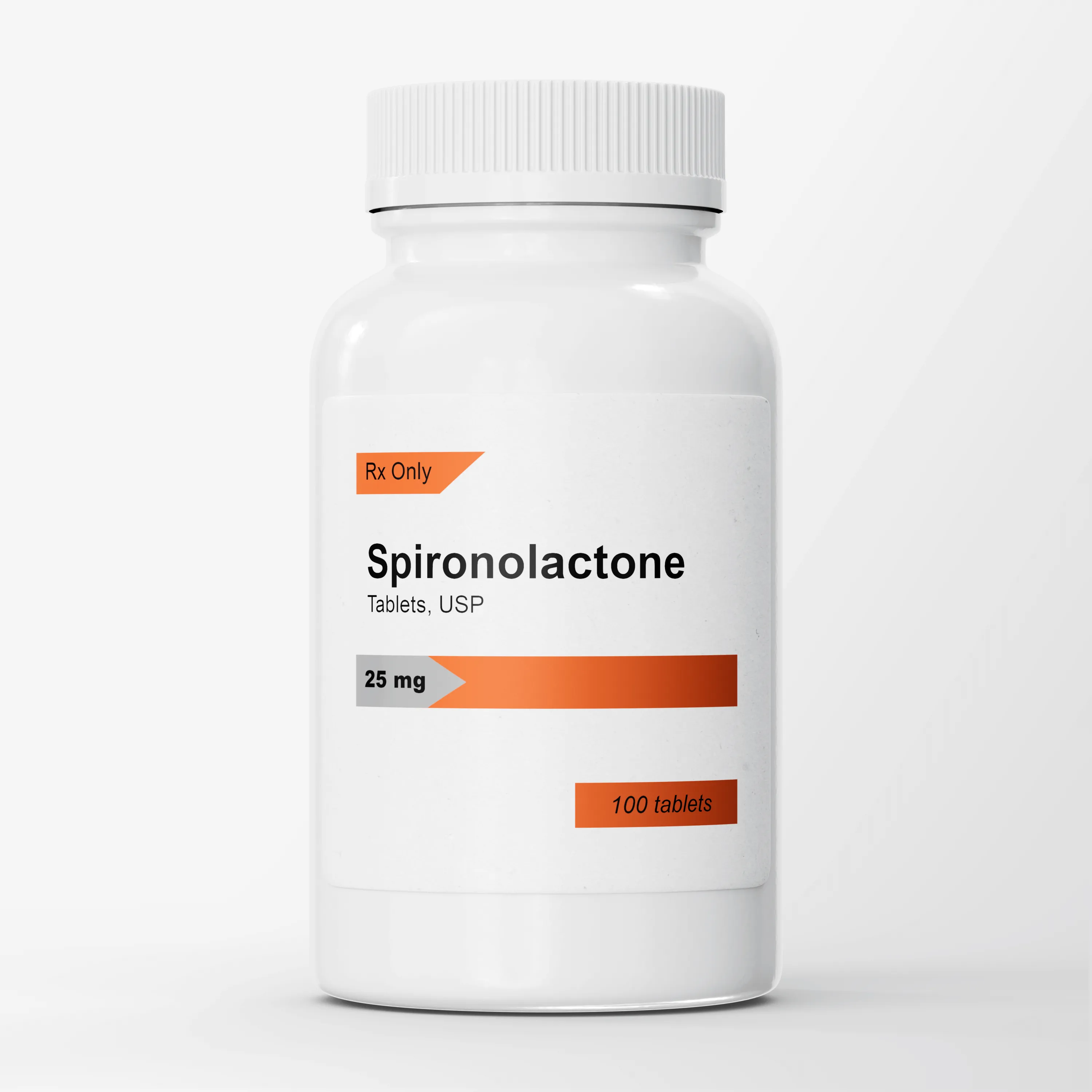
Spironolactone treatmentOral hormonal therapy

Spironolactone

Modifies androgen signaling throughout the body. Its acne use is common but off-label, meaning acne is not an FDA-approved indication.

  • Often discussed forPersistent cyclical, lower-face or oil-associated acne in appropriate female patients
  • RouteA tablet taken on the prescribed schedule
  • Review windowEarly change may take weeks; a clearer assessment often takes several months
  • Plan roleMay continue while effective, tolerated and medically appropriate
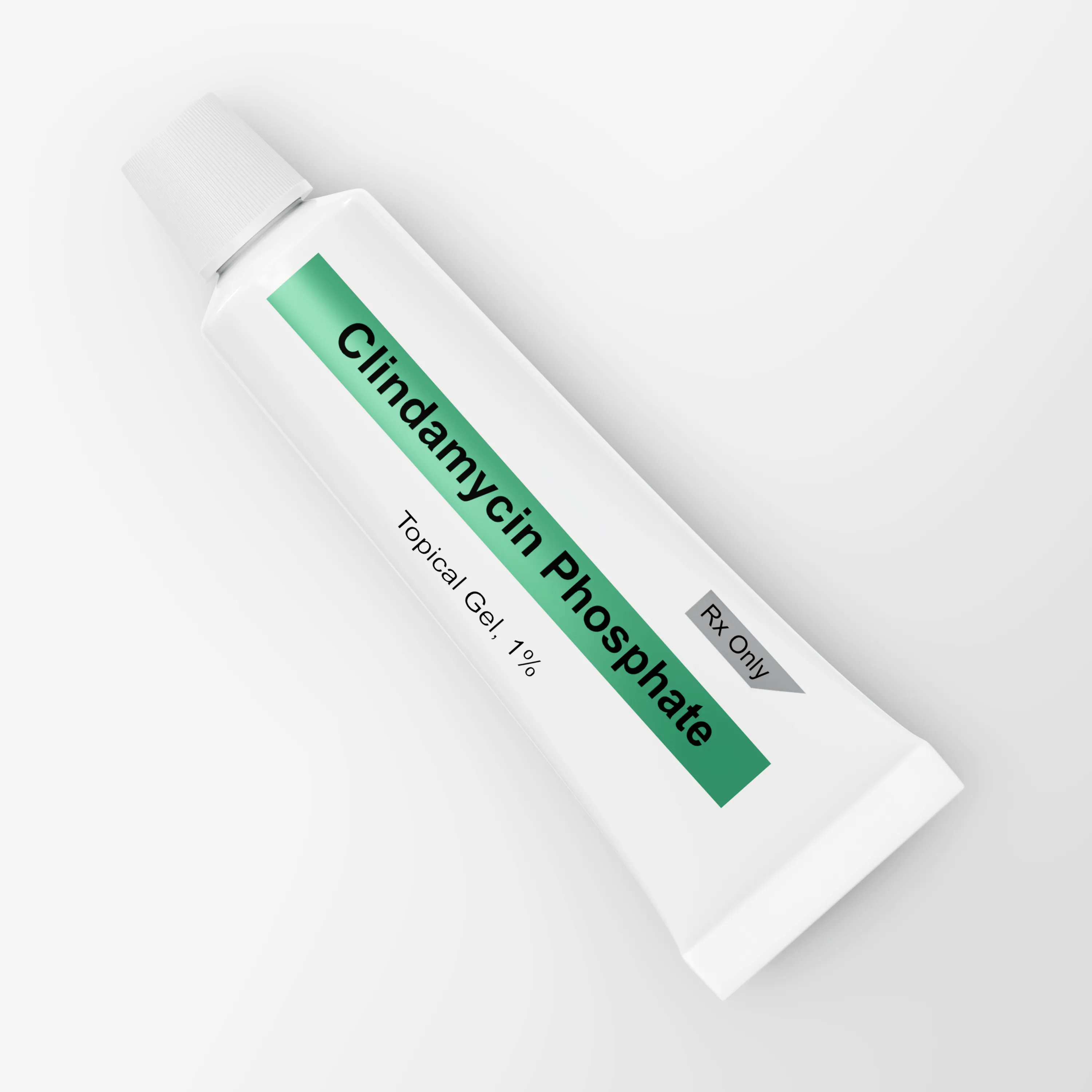
Clindamycin treatmentTopical antibiotic

Clindamycin

Delivers an antibiotic to the treated skin. It is FDA-indicated for acne, but resistance means it should not become an unreviewed solo routine.

  • Often discussed forMild to moderate inflammatory acne with red papules and pustules
  • RouteGel, lotion or solution applied as prescribed to acne-prone areas
  • Review windowInflammation may begin improving over several weeks
  • Plan rolePaired with benzoyl peroxide and usually supported by non-antibiotic maintenance

Fit and non-fit

Match the role, not just the name on the prescription

Read more about Honeydew’s oral spironolactone care and topical clindamycin care. A provider may recommend neither, one or both after reviewing the whole picture.

Spironolactone may fit when…

The conversation points toward

  • Acne that repeatedly flares around the menstrual cycle
  • Persistent chin, jawline or lower-face breakouts in an appropriate female patient
  • An ongoing systemic option after topical care alone has not been enough
  • A strategy that avoids repeated or extended antibiotic courses

It may not fit when

  • Pregnancy is current, planned or possible without a prevention plan
  • High potassium, kidney problems, low blood pressure or interacting drugs raise concern
  • The patient is male and antiandrogen effects are not appropriate for acne care
  • Only a few localized inflamed lesions need short-term topical support

Clindamycin may fit when…

The conversation points toward

  • Red, swollen papules or pustules are a prominent part of the breakout
  • A topical is practical for the area being treated
  • A faster inflammatory-control layer is needed while another treatment develops
  • Benzoyl peroxide and a maintenance routine can be used as directed

It may not fit when

  • Acne is mainly comedonal or a recurring hormonal pattern needs systemic control
  • Applying a topical over widespread chest or back acne is impractical
  • There is a history of ulcerative colitis, regional enteritis or antibiotic-associated colitis
  • The plan would use clindamycin alone without a resistance safeguard or review point

Two clocks, one plan

Clindamycin may cover the early flare. Spironolactone may shape what follows.

The central decision is not which bottle wins. It is whether the plan accounts for both visible inflammation now and a recurring driver over time.

The early clock

Give the topical antibiotic a defined job

Clindamycin may be used on acne-prone areas while red, tender lesions are active. Benzoyl peroxide is commonly paired with it because clindamycin resistance is a real stewardship concern. A topical retinoid or another non-antibiotic treatment may address clogged pores and remain useful after the antibiotic role is reconsidered.

The longer clock

Judge hormonal therapy over months, not days

Spironolactone does not work like a spot treatment. Improvement can build gradually, and the prescribed dose should not be changed to chase a quick result. If the two are used together, early improvement does not prove the hormonal component is finished—and a slow start does not justify leaving clindamycin on autopilot.

Combination does not mean duplication: One medicine addresses androgen signaling throughout the body; the other adds targeted antibiotic activity on the skin. Your provider should define what each component is for, how benzoyl peroxide fits and when the regimen will be reviewed.

Side effects and safety

A systemic safety review and a topical stewardship review

“Topical” does not mean risk-free, and “commonly prescribed” does not make oral spironolactone appropriate for everyone. Tell your provider about every medicine, supplement, condition and pregnancy plan.

Spironolactone

Commonly discussed effects

  • More frequent urination
  • Dizziness or lower blood pressure
  • Breast tenderness
  • Menstrual changes

Important safety considerations

Spironolactone can raise potassium and affect blood pressure or kidney function. A provider decides whether baseline or follow-up testing is appropriate based on age, kidney health, dose, other conditions and drugs or supplements that also raise potassium.

Pregnancy: Avoid spironolactone during pregnancy because antiandrogen effects may affect fetal development. Discuss contraception, pregnancy plans and what to do if pregnancy occurs with the prescribing clinician.
Clindamycin

Commonly discussed effects

  • Dryness or peeling
  • Redness or burning
  • Itching or local irritation
  • Different tolerability by gel, lotion or solution

Important safety considerations

Apply only as prescribed and avoid eyes, mouth and broken skin. Although systemic exposure from topical use is low, the label reports diarrhea, bloody diarrhea and colitis. Stop and contact a clinician promptly for significant diarrhea or concerning gastrointestinal symptoms.

Resistance: Clindamycin should not be treated as an indefinite solo acne product. Use provider-directed benzoyl peroxide and attend the planned review so the antibiotic can be continued, stopped or replaced appropriately.

Treatment timeline

What to review from setup to maintenance

Spironolactone

Screen

Review pregnancy plans, blood pressure, kidney history, potassium risk, prescriptions and supplements.

Build

Take the prescribed dose consistently. Photos and side-effect check-ins help assess gradual change over the first several months.

Maintain

Continue only while it remains effective and safe. Discuss tapering or alternatives before pregnancy or if the pattern changes.

Clindamycin

Pair

Place it within a tolerable routine that includes benzoyl peroxide unless the provider gives different instructions.

Reassess

Track inflamed lesions and irritation over several weeks. Report significant diarrhea rather than waiting for the next routine check-in.

Hand off

Review the antibiotic role and keep the appropriate non-antibiotic treatment working for maintenance.

Interactive cost comparison

Both use basic membership. The prescriptions stay separate.

Switch the billing schedule to see Honeydew’s care fee. Medication, benzoyl peroxide and any clinically indicated testing are not included in membership.

Our basic membership

Spironolactone care

$25/month equivalent

Billed $299 once per year

Medication: Separate; pharmacy, insurance, dose and quantity affect the price.

Labs: Separate when clinically indicated.

Our basic membership

Clindamycin care

$25/month equivalent

Billed $299 once per year

Medication: Separate; gel, lotion, solution, pharmacy and coverage change the price.

Supportive care: Benzoyl peroxide and other skincare are separate.

What membership covers

Ongoing online care

1 plan

For provider access, prescription coordination and follow-up

Included: Progress tracking and unlimited follow-ups.

Not included: Medication, lab work and over-the-counter products.

Price snapshot reviewed August 3, 2026. Honeydew’s public pricing page displayed basic membership at $25/month equivalent billed $299 annually. Medication is prescribed separately and may be covered by insurance. Final price depends on pharmacy, formulation, dose, quantity, location and coverage.

How your care works

Build a plan with roles, safeguards and review dates

Honeydew’s online process helps your provider see the pattern and monitor both the systemic and topical parts of the plan.

1

Show the pattern

Upload photos and share timing, location, menstrual association when relevant, prior treatment and body-area involvement.

2

Check the risks

List medical conditions, pregnancy plans, allergies, prescriptions and supplements before either medication is considered.

3

Name each job

Clarify whether the plan needs hormonal control, inflammatory control, pore maintenance—or a coordinated combination.

4

Review the handoff

Use photos and messages to assess progress, side effects, benzoyl-peroxide pairing and when the antibiotic role should change.

Frequently asked questions

Oral spironolactone and topical clindamycin, answered

Is spironolactone better than clindamycin for hormonal acne?

Spironolactone more directly addresses androgen signaling, so a provider may favor it for an appropriate female patient with a recurring hormonal pattern. Clindamycin can help active inflammatory lesions but does not change the hormonal driver. “Better” still depends on the diagnosis, safety profile and role needed.

Can I use spironolactone and clindamycin together?

Yes, a clinician may prescribe oral spironolactone and topical clindamycin together because they act through different pathways. The plan should also address benzoyl peroxide, irritation, pregnancy safety, other medications and when the antibiotic component will be reviewed. Do not combine leftover prescriptions on your own.

Which one works faster for acne?

Topical clindamycin may begin calming inflammatory lesions over several weeks, while spironolactone is usually assessed over a longer period and may continue improving over several months. These are general review windows, not promised results, and an earlier visible change does not make an antibiotic the right long-term strategy.

Why is benzoyl peroxide used with clindamycin?

Benzoyl peroxide adds a non-antibiotic antimicrobial mechanism and helps limit the emergence of clindamycin-resistant acne-associated bacteria. Your provider may prescribe a combination product or a separate wash or leave-on product, depending on your skin and routine. Follow those instructions because strength and irritation vary.

Do I need potassium tests with spironolactone?

Not every acne patient follows the same testing schedule. A provider considers age, kidney function, dose, other health conditions and medicines or supplements that raise potassium. Baseline or follow-up testing may be ordered when clinically indicated, and blood pressure or kidney function may also matter.

What happens when clindamycin is stopped?

The non-antibiotic parts of the plan usually carry maintenance forward. That may include benzoyl peroxide, a topical retinoid, hormonal therapy or another provider-directed option. If inflamed acne returns, contact the care team for reassessment rather than restarting an old antibiotic prescription without guidance.

A clearer next step

Ask which jobs your acne plan needs covered

Start online and share the full pattern so a licensed provider can decide whether hormonal treatment, targeted inflammatory care or a coordinated combination is appropriate.

Get Started

Medical disclaimer: This page provides general U.S.-focused education and cost examples, not a diagnosis or personalized treatment recommendation. Do not start, stop, combine or change prescription medications without a licensed clinician. Seek urgent care for severe symptoms or a medical emergency.