Dermatologist-guided care,
personalized to your skin.

GET STARTED

Acne treatment comparison

Topical spironolactone vs clindamycin

Compounded topical spironolactone is an off-label, localized antiandrogen approach for an androgen-influenced oil pattern, backed by limited and formulation-specific studies. Topical clindamycin is an FDA-labeled antibiotic for inflamed acne and should be paired with benzoyl peroxide to help prevent resistance. A provider may choose one role—or pair them when both patterns overlap.

Get Started

A licensed provider reviews your pattern, pregnancy plans, bowel history, skin sensitivity and complete formula before prescribing.

Person considering acne treatmentOne goal. Different paths.
The short answer

These are not simple substitutes. Topical spironolactone has a non-antibiotic oil-control rationale but limited evidence. Clindamycin has a labeled inflammatory-acne role plus resistance and exit-plan obligations.

At a glance

Choose the job before comparing the tubes

One targets androgen signaling in treated skin; the other uses an antibiotic mechanism against active inflammation. Select a priority to see each role.

Compare by priority

This selector explains roles; it cannot diagnose hormonal acne or choose a compound.

Choose a priority to highlight the most relevant treatment profile.

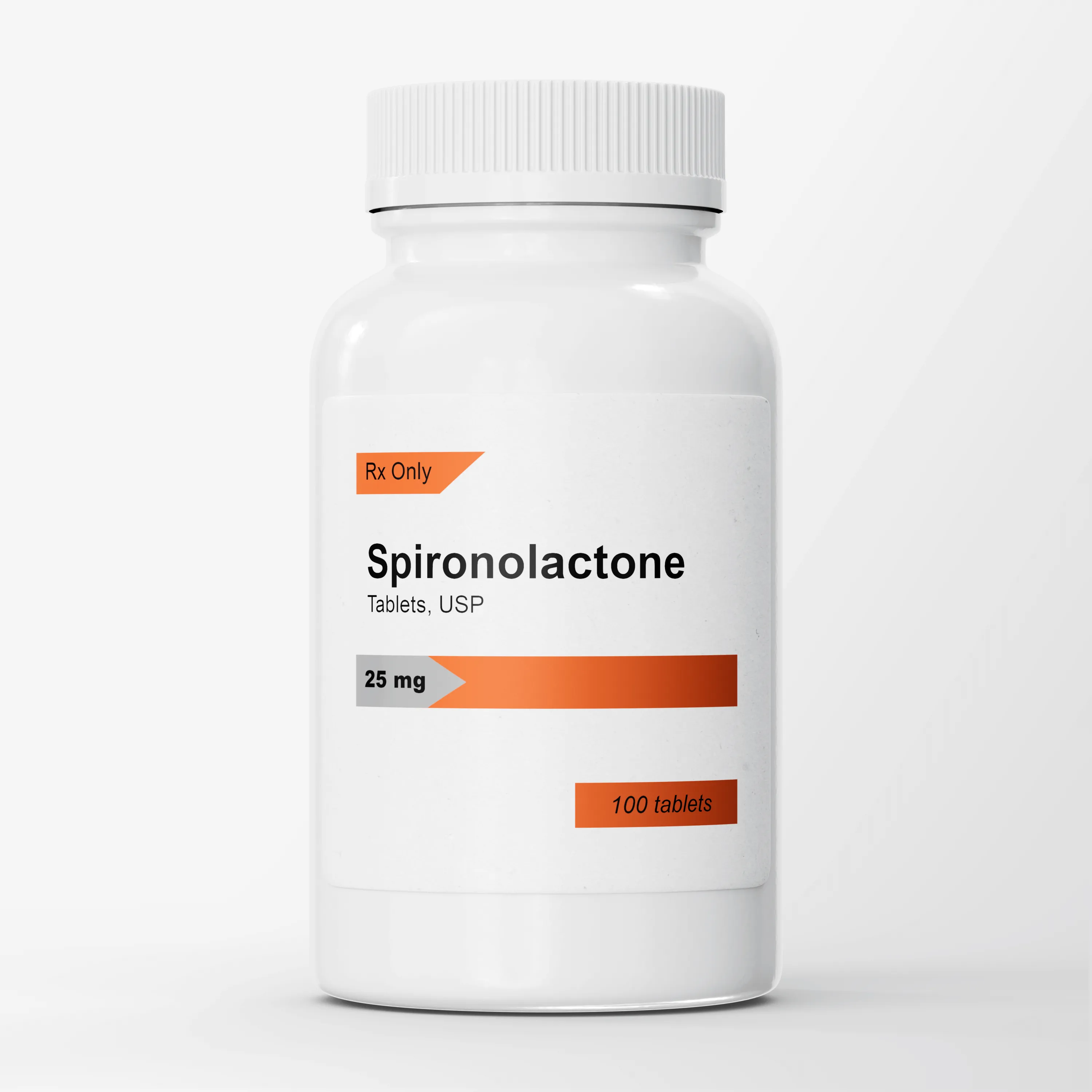
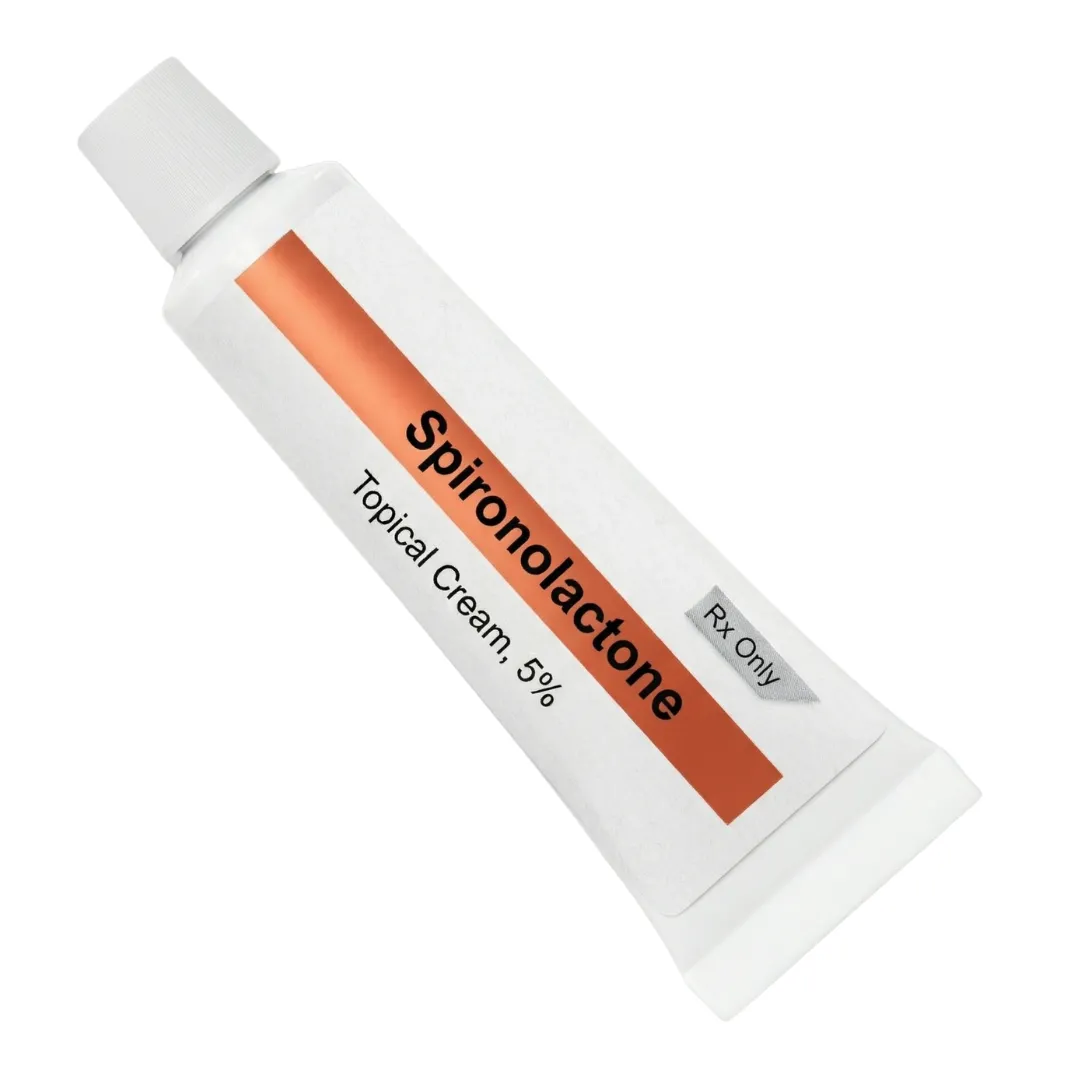
Topical spironolactone treatmentCompounded antiandrogen topical

Topical spironolactone

An off-label compounded prescription intended to reduce local androgen signaling and oil production. Strength, vehicle and co-ingredients can vary.

  • Often discussed forLocalized, recurring lower-face breakouts with an androgen-influenced pattern
  • Evidence depthSmall trials across different creams, gels and solutions; no FDA-approved topical spironolactone acne product
  • Where it worksOnly on consistently treated areas; lower systemic exposure is expected, not proven to be zero
  • Longer rolePotential non-antibiotic control, reviewed against response and tolerance
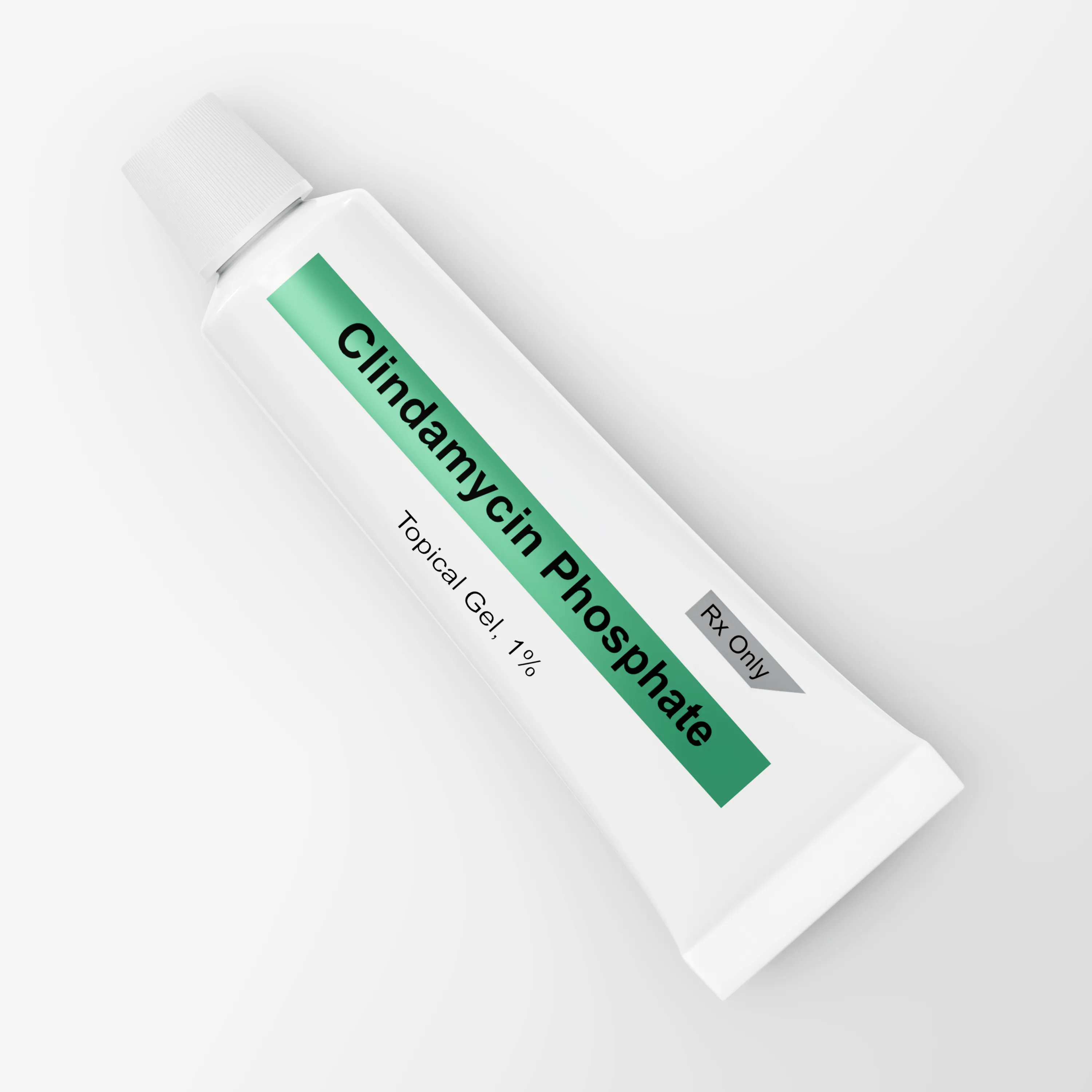
Clindamycin treatmentTopical antibiotic

Clindamycin

An FDA-labeled topical acne antibiotic for inflammatory papules and pustules—not an indefinite solo treatment.

  • Often discussed forRed, tender, swollen or pustular lesions within a broader acne routine
  • Evidence depthEstablished labeled products and guideline support for topical antibiotics
  • Required partnerBenzoyl peroxide used simultaneously to help prevent antibiotic resistance
  • Time-limited roleControl the inflammatory phase, then reassess and carry on non-antibiotic maintenance

Best suited for

Read the pattern without reducing acne to one cause

Jawline location does not prove a hormonal driver, and redness does not make acne merely an infection. Timing, lesion types, response and history matter together.

Topical spironolactone may fit when…

It may support

  • Lower-face oiliness and breakouts that recur in a cyclical pattern
  • Mild-to-moderate acne concentrated in practical treatment areas
  • A preference to discuss a localized, non-antibiotic hormonal approach
  • A layered plan where clogged pores or inflammation already have another treatment

It may not fit when

  • Severe, widespread, nodular or scarring acne needs an established escalation plan
  • A damaged or highly reactive skin barrier cannot tolerate the prescribed vehicle
  • Pregnancy or breastfeeding questions have not been reviewed for the exact compound
  • You want a standardized FDA-approved topical spironolactone product; none exists for acne

Clindamycin may fit when…

It may support

  • Inflamed papules or pustules need a targeted topical antibiotic layer
  • Benzoyl peroxide is included from the start for resistance stewardship
  • Short-term flare control is needed while non-antibiotic care develops
  • The treatment area is practical for consistent topical application

It may not fit when

  • It would be used alone or continued indefinitely without reassessment
  • Blackheads, whiteheads or a hormonal oil pattern are the only jobs left untreated
  • There is a clindamycin or lincomycin allergy
  • There is regional enteritis, ulcerative colitis or prior antibiotic-associated colitis
Possible pairing: Honeydew describes using both roles. Clindamycin still needs benzoyl peroxide and an exit plan; pairing does not validate every spironolactone compound.

Read the evidence correctly

Two head-to-head studies are clues, not a verdict

This pair has been compared, but the details explain why “which won?” is the wrong clinical question.

Study one · separate groups

A small 2021 trial favored one specific spironolactone solution

Researchers assigned 68 people to 2% spironolactone solution or 1.5% clindamycin solution for 12 weeks. Spironolactone improved comedones and the authors favored it overall; clindamycin reached its maximum effect sooner.

The single-blinded study used uncommon strengths, followed relapse for one month and did not describe the benzoyl-peroxide partner expected in U.S. clindamycin care.

Study two · split face

A small 2026 study found an earlier clindamycin change

Forty-two participants applied 5% spironolactone to one side and 2% clindamycin to the other for 12 weeks. Clindamycin changed total lesions sooner and reduced pustules more at week 12; overall 12-week outcomes were similar in the abstract.

That does not prove equivalence. The small, single-center study cannot answer durability, uncommon harms, resistance or performance of another compounded vehicle.

What carries into practice: Formula, concentration and design change the comparison. These trials suggest possible roles; they do not validate an arbitrary compound or a universal winner.

Side effects and safety

One has an evidence gap; the other has an antibiotic warning

“Topical” does not mean risk-free. Review the compound, labeled antibiotic precautions, other active products and new symptoms.

Topical spironolactone

What may happen on the skin

  • Dryness or tightness
  • Redness or irritation
  • Stinging with a reactive barrier
  • Vehicle- or co-ingredient-specific effects

What remains uncertain

No FDA-approved topical label establishes a standard strength, exposure profile, pregnancy guidance or uncommon adverse-event rate. Small studies cannot rule out rare or formulation-specific problems.

Lower is not zero: Local use is expected to create less systemic exposure than a tablet, but evidence does not justify “zero absorption.” Share pregnancy plans, conditions, prescriptions and every compounded ingredient.
Clindamycin

Common topical effects

  • Dryness or peeling
  • Burning or stinging
  • Itching
  • Redness or contact irritation

Important label considerations

Instructions vary across solution, lotion and gel. Avoid eyes, mucous membranes and abraded skin; disclose clindamycin/lincomycin allergy and relevant bowel history.

Rare but important: Topical clindamycin is systemically absorbed. Its label reports diarrhea and colitis, rarely with topical use. Contact the prescriber promptly for significant bowel symptoms; seek urgent care for severe symptoms.

Treatment timeline and role

Build the hormonal layer; retire the antibiotic deliberately

Neither tube should drift into an unreviewed routine. The timeline is a sequence of decisions, not a promise of clearance by a certain week.

Topical spironolactone

Define the formula

Confirm the concentration, vehicle, co-ingredients, treatment area and application instructions; compounded products are not interchangeable.

Watch a pattern

Track oiliness, cycle timing and new lesions over roughly 8–12 weeks without assuming a response.

Earn the longer role

Continue, change or stop only after reviewing benefit, irritation, evolving pregnancy plans and whether another mechanism is missing.

Clindamycin

Pair it correctly

Use benzoyl peroxide simultaneously and fit the product around other irritating topicals as directed.

Measure the flare

Follow changes in red and tender lesions over several weeks. Report worsening, marked irritation or gastrointestinal symptoms.

Plan the exit

At reassessment, the provider decides when the antibiotic stops and which non-antibiotic layers continue for maintenance.

Interactive cost comparison

Compare the care fee separately from two variable prescriptions

Both treatments use Honeydew’s basic membership when prescribed. Switch schedules to see the care fee; medications and any labs remain separate.

Our basic membership

Topical spironolactone care

$25/month equivalent

Billed $299 once per year

Medication: Separate. Formula, pharmacy, insurance and cash price vary.

Labs: The provider decides from the prescription and history.

Our basic membership

Clindamycin care

$25/month equivalent

Billed $299 once per year

Medication: Separate. Eligible insured patients may pay as little as $0 per box; coverage varies.

Companion care: Benzoyl peroxide and maintenance topicals are separate unless included.

Prescription cost context

Do not compare one sticker price

Varies

No compounded spironolactone cash price is promised

Topical spironolactone: Formula and compounding pharmacy change the quote.

Clindamycin: Formulation, coverage, pharmacy and benzoyl peroxide change the total.

Price snapshot reviewed August 3, 2026. Membership excludes prescriptions, labs and over-the-counter products. Use the selector to compare the available billing schedules. Eligibility, coverage, formula and pharmacy determine medication cost; $0 is only a possibility.

How your care works

Give every topical a role, a partner and a review date

Honeydew can turn a crowded shelf into a provider-directed plan with explicit jobs and safety checks.

1

Map the breakouts

Upload photos and share timing, oiliness, lesion type, treatment area, prior antibiotics, current products and health history.

2

Name the jobs

Discuss whether the regimen needs localized antiandrogen support, short-term inflammatory control or both distinct roles.

3

Audit every ingredient

Confirm the compound, clindamycin formulation, benzoyl peroxide partner, moisturizer and layering schedule before starting.

4

Review and simplify

Use progress photos and messages to assess benefit, irritation and whether clindamycin should stop while non-antibiotic care continues.

Frequently asked questions

Topical spironolactone and clindamycin, answered

Is topical spironolactone better than clindamycin for acne?

Not universally. Small studies of specific solutions found different timing and lesion effects, but do not establish a general winner. Topical spironolactone may fit a localized androgen/oil pattern; clindamycin may fit active inflammation. The needed role and evidence tolerance matter more than a ranking.

Can topical spironolactone and clindamycin be used together?

A provider may pair their different mechanisms. The plan still needs benzoyl peroxide, a review of every compounded ingredient, an irritation-aware schedule and a date to reassess the antibiotic.

Is topical spironolactone FDA-approved for acne?

No. Topical spironolactone is generally compounded and does not have an FDA-approved acne product or standardized topical label. FDA does not review compounded drugs for safety, effectiveness or quality before marketing. Clascoterone, sold as Winlevi, is an FDA-approved topical antiandrogen, but it is a different medication and should not be called topical spironolactone.

Which works faster, topical spironolactone or clindamycin?

Clindamycin may change inflamed lesions sooner. In two small studies, it reached an earlier maximum effect or earlier lesion-count changes, while outcomes shifted over 12 weeks. That does not guarantee a timeline or represent every formulation or benzoyl-peroxide-paired regimen.

Why does clindamycin need benzoyl peroxide?

Clindamycin is an antibiotic, so using it alone can select for resistant bacteria. The AAD advises using topical antibiotics simultaneously with benzoyl peroxide to help prevent resistance. The products may be combined or prescribed separately. Follow the provider’s schedule, because benzoyl peroxide can also add dryness and irritation.

Can either topical cause systemic side effects?

Do not assume “topical” means zero absorption. Topical spironolactone is expected to have less systemic exposure than oral treatment, but compounded formulas lack a standardized FDA-reviewed exposure and safety package. Clindamycin’s label states that systemic absorption occurs and reports rare diarrhea and colitis. Share relevant conditions and promptly report significant symptoms.

A clearer next step

Build a topical plan around roles, not labels

Start online and ask a dermatology provider whether your breakouts need localized hormonal/oil support, time-limited inflammatory control or a carefully layered plan for both.

Get Started

Medical disclaimer: This page provides general U.S.-focused education and cost examples, not a diagnosis, pregnancy plan, compound specification or personalized treatment recommendation. Do not start, stop, combine or change prescription medications without a licensed clinician. Seek urgent care for severe symptoms or a medical emergency.