Dermatologist-guided care,
personalized to your skin.

GET STARTED

Acne treatment comparison

Tretinoin vs clindamycin

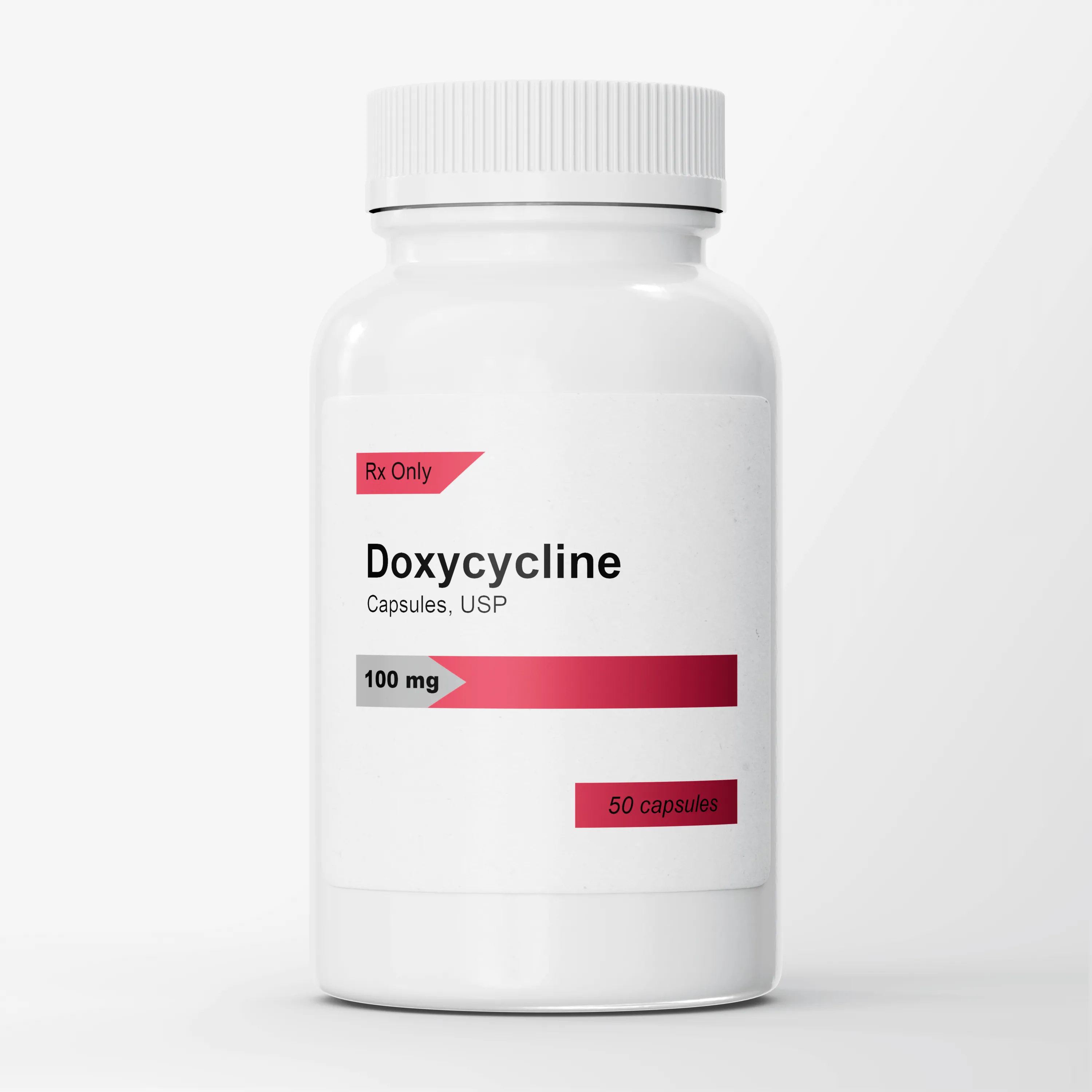
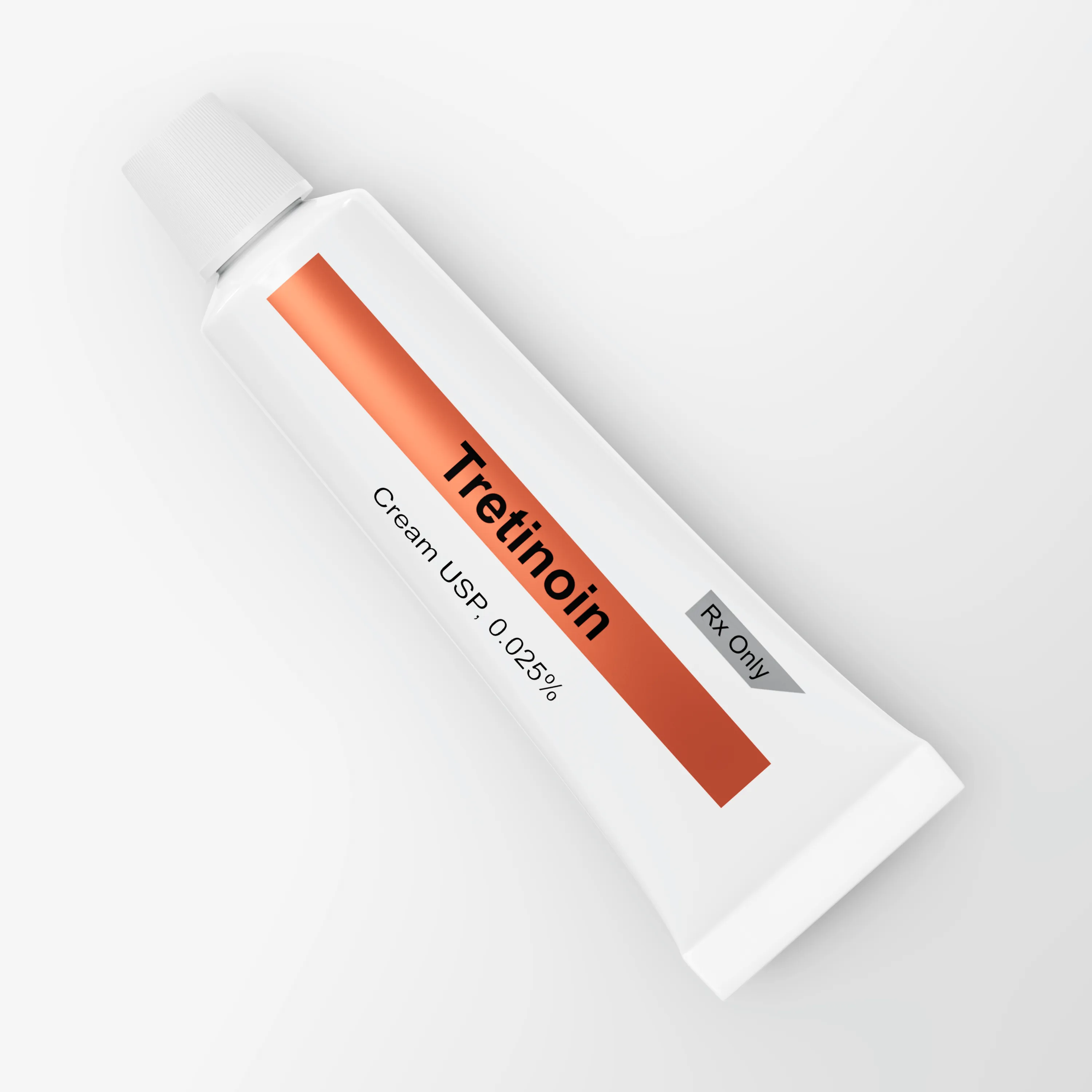
Tretinoin and clindamycin have different jobs. Tretinoin is a topical retinoid that helps prevent clogged pores and can anchor long-term maintenance. Clindamycin is a topical antibiotic used to calm inflammatory pimples for a provider-directed period. They are often combined—but clindamycin still needs benzoyl peroxide for resistance stewardship.

Get Started

A licensed provider reviews your acne pattern, current products, pregnancy plans and treatment history before prescribing.

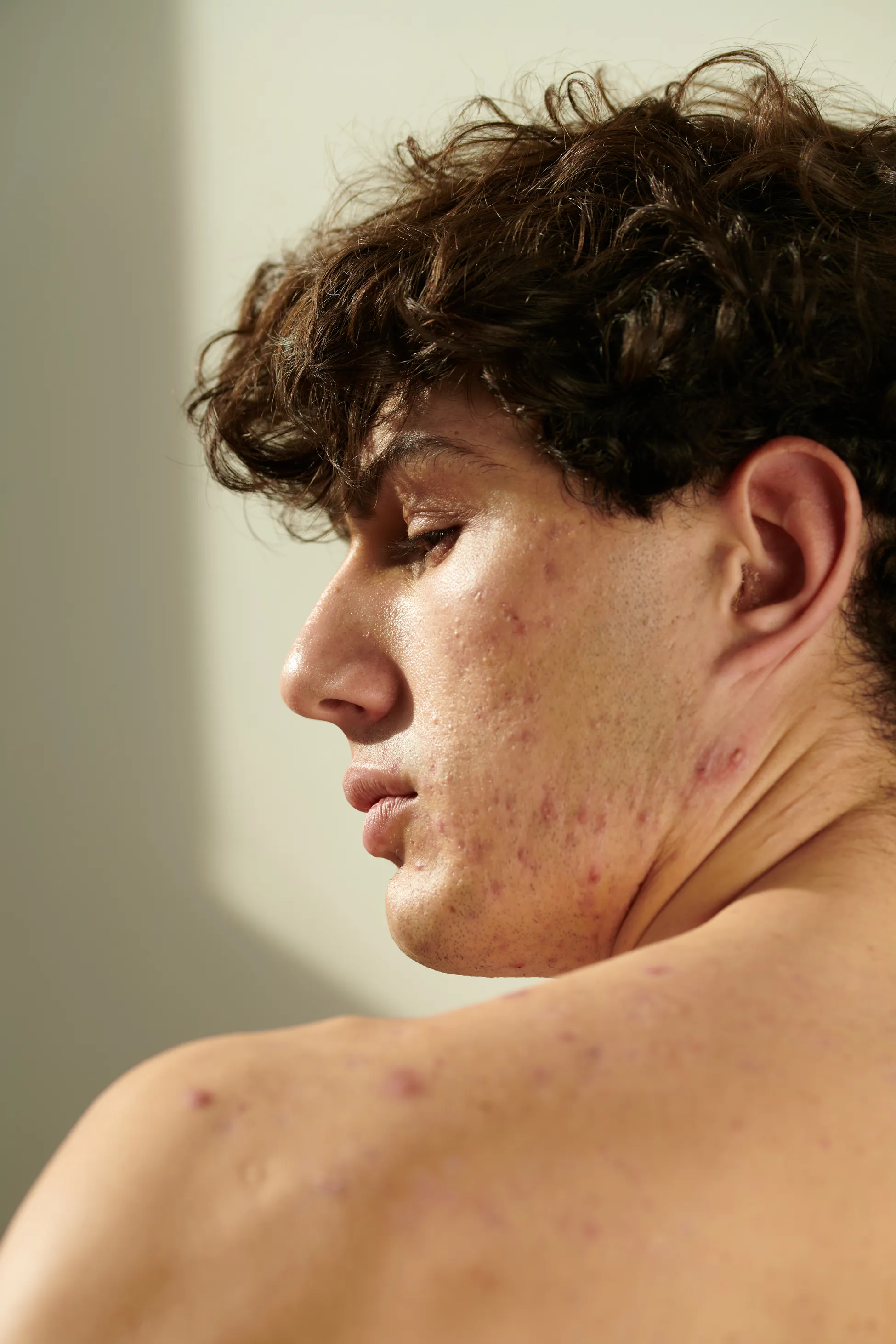
Person considering acne treatmentOne goal. Different paths.
The short answer

Choose the role before the product. Tretinoin is matched to blackheads, whiteheads and prevention; clindamycin has a limited role for red papules and pustules. Mixed acne may call for both. Benzoyl peroxide and an exit plan still belong in the clindamycin conversation.

At a glance

Prevent the next clog or quiet today’s inflammation

Select a priority to bring one treatment role forward. The highlight explains tradeoffs; it cannot diagnose your acne or choose a prescription.

Compare by priority

Start with the outcome or constraint that matters most.

Choose a priority to highlight the most relevant treatment profile.

Tretinoin treatmentTopical retinoid

Tretinoin

Changes follicular cell turnover to reduce microcomedone formation. It works across consistently treated acne-prone skin, not as an instant spot treatment.

  • Often discussed forBlackheads, whiteheads, mixed acne and prevention after active breakouts improve
  • Main jobKeep pore-lining cells from sticking together and forming new clogs
  • TimelineIrritation can appear early; definite acne benefit may take more than six weeks
  • Long-term roleMay continue as non-antibiotic maintenance while it remains useful and tolerated
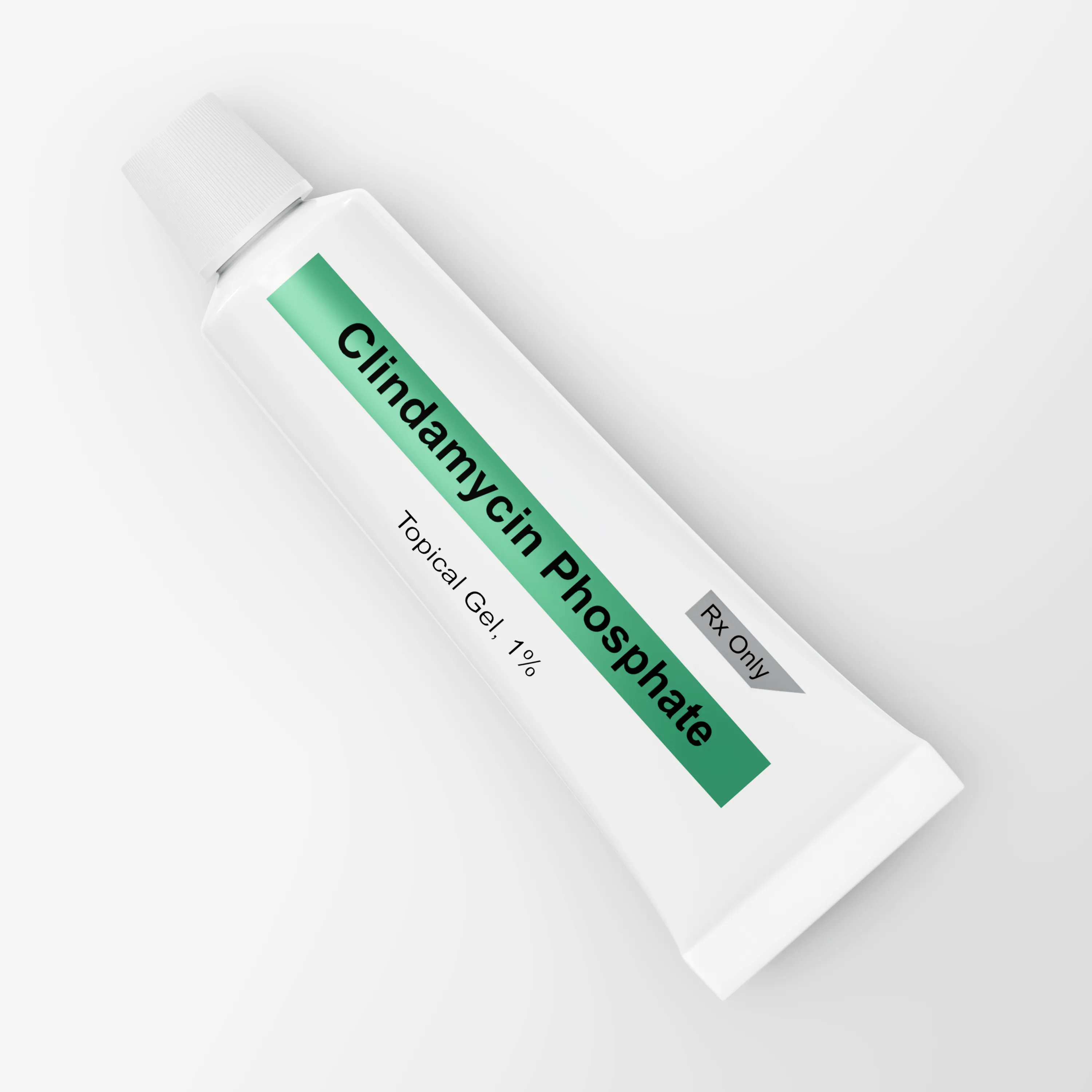
Clindamycin treatmentTopical antibiotic

Clindamycin

Reduces susceptible acne-associated bacteria and inflammatory activity where applied. It belongs inside a complete routine, not as an open-ended solo product.

  • Often discussed forRed, tender papules and pustules in mild-to-moderate inflammatory acne
  • Main jobHelp calm an active inflammatory phase while companion treatments cover other drivers
  • TimelineEarly change may appear within weeks; the full plan is often reviewed around 8–12 weeks
  • Long-term roleProvider-limited antibiotic phase with benzoyl peroxide, followed by non-antibiotic maintenance

Best suited for

Read the lesion mix, not just the redness

Blocked pores and inflamed lesions can occur together. A provider also checks severity, body areas, scarring, prior response and consistency.

Tretinoin may fit when…

  • Blackheads, whiteheads or a rough pattern of recurring clogged pores
  • Mixed acne needs a pore-focused layer alongside inflammatory control
  • A non-antibiotic treatment is needed after the flare phase ends
  • Consistent application across acne-prone areas is realistic

It may not fit when

  • Pregnancy or trying to conceive requires a provider-directed alternative
  • Sunburn, eczema or a damaged barrier makes irritation especially likely
  • Deep, rapidly scarring or widespread acne needs a broader discussion
  • The proposed routine already contains too many drying or irritating actives

Clindamycin may fit when…

  • Red papules and pustules are a meaningful part of the acne pattern
  • A provider wants a topical inflammatory-control phase
  • Benzoyl peroxide can be included to help limit resistance
  • A clear non-antibiotic maintenance plan is ready for the handoff

It may not fit when

  • Blackheads and whiteheads dominate without meaningful inflammation
  • It would be used alone, inconsistently or without a provider-set endpoint
  • Prior clindamycin or lincomycin allergy, colitis or certain bowel-disease history raises concern
  • Prior exposure no longer seems effective and resistance may be relevant
Often complementary: Tretinoin addresses pore formation; clindamycin addresses inflammation. A fixed gel containing both exists, but separate products and schedules are not automatically interchangeable with it.

The handoff plan

The clindamycin exit belongs in the starting plan

Combination therapy is most coherent when each ingredient has a job, a safety plan and a clear idea of what happens next.

During the flare

Cover inflammation without leaving the pore untreated

A clindamycin phase can help red papules and pustules while tretinoin works on microcomedones. A 12-week randomized study of one fixed clindamycin/tretinoin gel found better selected lesion outcomes than either ingredient alone, supporting the two-mechanism logic.

That study does not turn every separate-product routine into the tested gel. A prescriber still decides formulation, timing, frequency and whether the combined irritation burden is acceptable.

After the flare

Let the antibiotic leave without removing prevention

Clindamycin should not quietly become indefinite solo maintenance. When the prescriber ends it, tretinoin may keep addressing pore formation so the routine does not lose its preventive backbone.

Benzoyl peroxide has a separate stewardship job during antibiotic use: it helps reduce selection for resistant acne-associated bacteria. Tretinoin is valuable, but it does not substitute for that resistance safeguard.

Routine design matters: Do not independently stack clindamycin, tretinoin and benzoyl peroxide. Some products are combined; others need separation to manage irritation or formulation compatibility. Follow the written plan for the exact products prescribed.

Side effects and safety

Plan for irritation. Remember the antibiotic’s rare systemic warning.

Both are topical, but their risks are not identical. Share every prescription, over-the-counter active, allergy, pregnancy plan and relevant bowel history.

Tretinoin

Common effects

  • Dryness or tightness
  • Redness and peeling
  • Burning or stinging
  • Temporary early worsening in some patients

Important safety considerations

More product does not mean faster clearing. Keep it away from eyes, lips and broken skin; use sun protection; and review scrubs, acids, astringents and other drying treatments. The provider may reduce frequency, pause or change the formula when irritation becomes significant.

Pregnancy: Honeydew advises not using tretinoin while pregnant or trying to conceive. Topical tretinoin is not oral isotretinoin and does not use iPLEDGE, but pregnancy plans still require a provider-directed alternative.
Clindamycin

Common effects

  • Dryness or peeling
  • Redness or burning
  • Itching or local sensitivity
  • More irritation in a multi-active routine

Important safety considerations

Application directions vary across gel, lotion, foam, solution and fixed combinations. Tell the prescriber about allergy to clindamycin or lincomycin and any Crohn’s disease, ulcerative colitis or prior antibiotic-associated colitis. Do not combine it with an erythromycin product unless specifically directed.

Take bowel symptoms seriously: Topical absorption occurs. Stop and contact the prescriber promptly for significant or bloody diarrhea or severe abdominal symptoms; serious colitis is rare but label-listed.

Treatment timeline and role

Start together only when the end-state is clear

Improvement is a trend across weeks, not a one-day verdict. Photograph comparable areas and report tolerance instead of changing the schedule independently.

Tretinoin · prevention lane

Build tolerance

Use the prescribed amount and frequency with gentle cleansing, moisturizer and daytime sun protection.

Judge the pattern

Early dryness can settle. Definite acne benefit may take more than six weeks, so review both lesions and irritation.

Maintain

If effective and tolerated, continue the provider-directed non-antibiotic routine to prevent new clogged pores.

Clindamycin · flare lane

Pair deliberately

Confirm the benzoyl-peroxide component, exact formulation and how it fits around tretinoin.

Reassess

Some inflammatory change may appear within weeks; review the complete plan around 8–12 weeks or sooner if worsening.

Hand off

End or change the antibiotic when directed while the chosen non-antibiotic treatment carries maintenance.

Interactive cost comparison

The same care membership can coordinate both topical roles

Switch the billing schedule to see Honeydew’s basic membership fee. Prescription prices, benzoyl peroxide and other skin-care products remain separate.

Our basic membership

Tretinoin care

$25/month equivalent

Billed $299 once per year

Medication: Honeydew says eligible insured patients may pay as little as $0 per box; price varies by strength, vehicle and pharmacy.

Labs: Not routinely required for topical tretinoin.

Our basic membership

Clindamycin care

$25/month equivalent

Billed $299 once per year

Medication: Honeydew says eligible insured patients may pay as little as $0 per box; price varies by formulation and coverage.

Companion care: Benzoyl peroxide and other topicals are separate.

Total-routine view

Count every component

2 roles

One coordinated treatment plan

Coverage: Insurance rules, prior authorization, quantity and pharmacy affect prescription cost.

Tolerance: Cleanser, moisturizer and sunscreen may add practical cost.

Price snapshot reviewed August 3, 2026. Honeydew membership excludes prescription medication, over-the-counter benzoyl peroxide and skin-support products. $0 medication is an eligibility-dependent possibility, not a guarantee. Formulation, strength, quantity, insurance, pharmacy and location change the final amount.

How your care works

Turn a list of topicals into a coherent routine

Honeydew’s care team can assign each ingredient a role, sequence the applications and revise the plan as inflammation and tolerance change.

1

Map the lesions

Upload photos and describe blackheads, whiteheads, papules, pustules, depth, body areas, scarring and prior results.

2

Audit every active

List cleansers, acids, retinoids and antibiotics so the provider can spot irritation risk and missing benzoyl peroxide.

3

Write the schedule

Confirm exact products, amount, timing, moisturizer, sun protection and what to do if irritation or bowel symptoms occur.

4

Make the handoff

Track progress through photos and messages, then adjust or end clindamycin while preserving suitable non-antibiotic maintenance.

Frequently asked questions

Tretinoin and clindamycin, answered

Is tretinoin better than clindamycin for acne?

Not universally. Tretinoin is usually better matched to clogged pores and long-term prevention; clindamycin has a limited role for inflammatory papules and pustules. Mixed acne may need both jobs. Severity, skin sensitivity, prior antibiotic exposure and the rest of the routine determine the fit.

Can I use tretinoin and clindamycin together?

Yes, a provider may combine them, and an FDA-labeled fixed gel containing both ingredients exists. That does not mean any two separate products should be layered without instructions. Formulation, timing and irritation matter, and clindamycin still needs a benzoyl-peroxide stewardship strategy.

Does tretinoin prevent clindamycin resistance?

No. Tretinoin helps prevent microcomedones and supports non-antibiotic maintenance, but it is not the ingredient used to limit bacterial resistance to clindamycin. Benzoyl peroxide fills that role. Ask the prescriber how it fits with the exact clindamycin and tretinoin products you receive.

Which treatment works faster?

Clindamycin may begin calming some inflamed lesions within a few weeks, while definite tretinoin benefit may take more than six weeks and early irritation can complicate the picture. A complete topical routine is commonly reviewed around 8–12 weeks. Neither timing is a guarantee.

What happens when I stop clindamycin?

Follow the prescriber’s handoff rather than restarting it whenever a pimple appears. Tretinoin or another non-antibiotic treatment may continue preventing new lesions after the antibiotic phase ends. If acne rebounds, the provider should reassess adherence, resistance, hormonal patterns and whether the diagnosis or treatment intensity needs to change.

Can tretinoin and clindamycin irritate skin when used together?

They can. Dryness, redness, peeling, burning and stinging may become more noticeable in a multi-active routine, especially early. Use only the prescribed amount and schedule, keep the routine gentle and report severe or persistent irritation. Significant diarrhea or bloody diarrhea while using clindamycin requires prompt prescriber contact.

A clearer next step

Give the flare an endpoint and the pore a future plan

Start online and ask a dermatology provider to map your lesion mix, build the benzoyl-peroxide safeguard and choose a non-antibiotic maintenance path you can tolerate.

Get Started

Medical disclaimer: This page provides general U.S.-focused education and cost examples, not a diagnosis, pregnancy plan or personalized treatment recommendation. Do not start, stop, combine, layer or change prescription medications without a licensed clinician. Seek urgent care for severe symptoms or a medical emergency.