Dermatologist-guided care,
personalized to your skin.

GET STARTED

Acne treatment comparison

Doxycycline vs clindamycin

Doxycycline and topical clindamycin are both antibiotics, but their reach differs. Oral doxycycline may fit broader moderate-to-severe inflammatory acne, including chest or back acne. Topical clindamycin may fit localized mild-to-moderate inflamed acne. They are generally not a routine duo: a provider chooses one antibiotic role, adds non-antibiotic care and plans its end.

Get Started

A licensed provider reviews acne severity, health history and the complete routine.

Person considering acne treatmentOne goal. Different paths.
The short answer

Doxycycline works systemically; clindamycin works where applied. Neither should become an open-ended antibiotic-only plan.

At a glance

Choose the route that matches the inflammatory burden

Select a priority to highlight the more relevant role. This cannot grade acne or replace a medication review.

Compare by priority

Start with the practical decision that matters most.

Choose a priority to highlight the most relevant treatment profile.

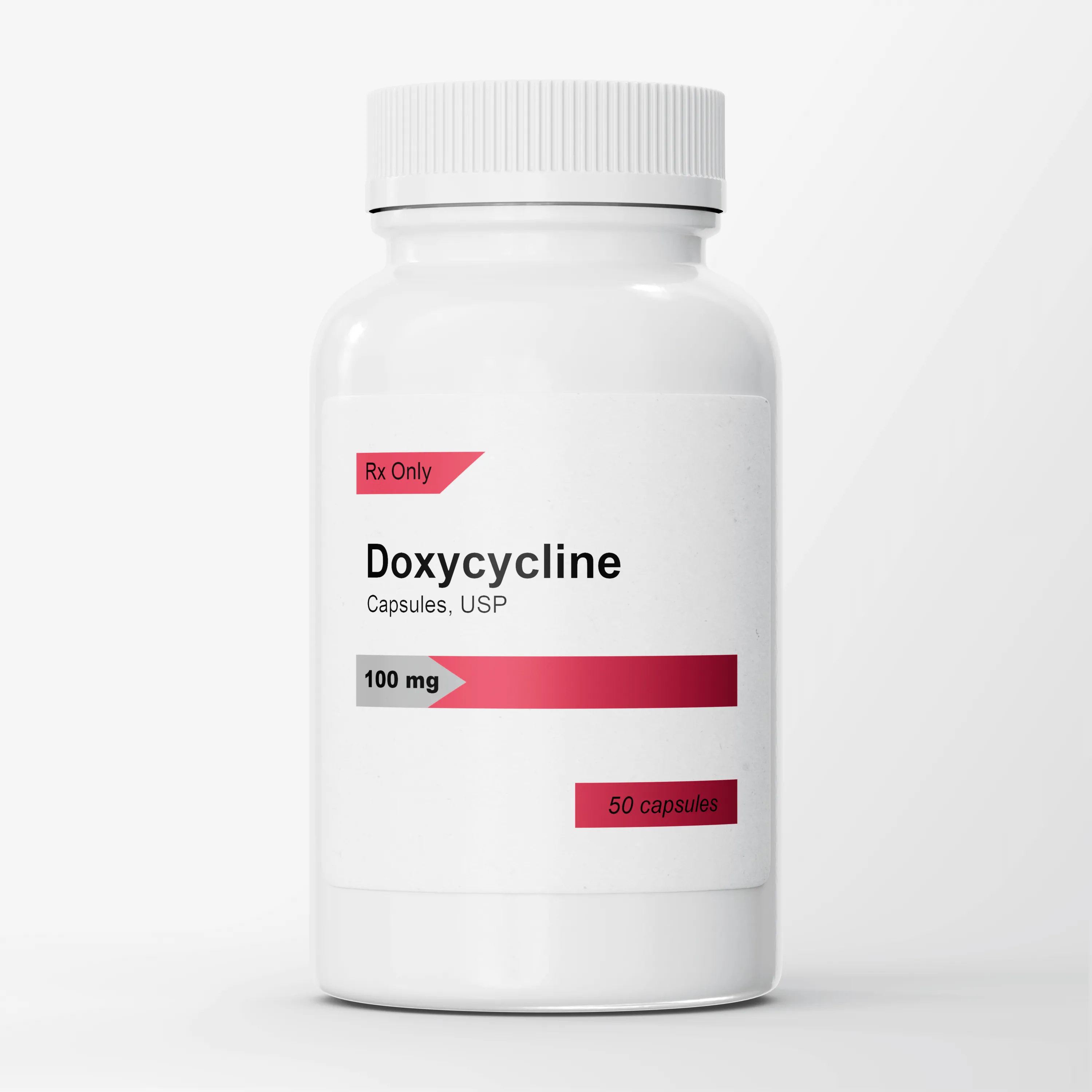
Doxycycline treatmentOral tetracycline-class antibiotic

Doxycycline

Works through systemic exposure and is strongly recommended in current acne guidance for appropriate patients. Its role is usually a defined inflammatory-acne course alongside non-antibiotic topical therapy.

  • Often discussed forModerate-to-severe red, swollen or tender acne that is numerous or widespread
  • Treatment areaFace, chest, shoulders and back without applying medicine to every lesion
  • TradeoffBroader reach with gastrointestinal, sun, esophageal, interaction and pregnancy-related precautions
  • Planned roleLower the inflammatory burden, then stop on the prescriber’s plan
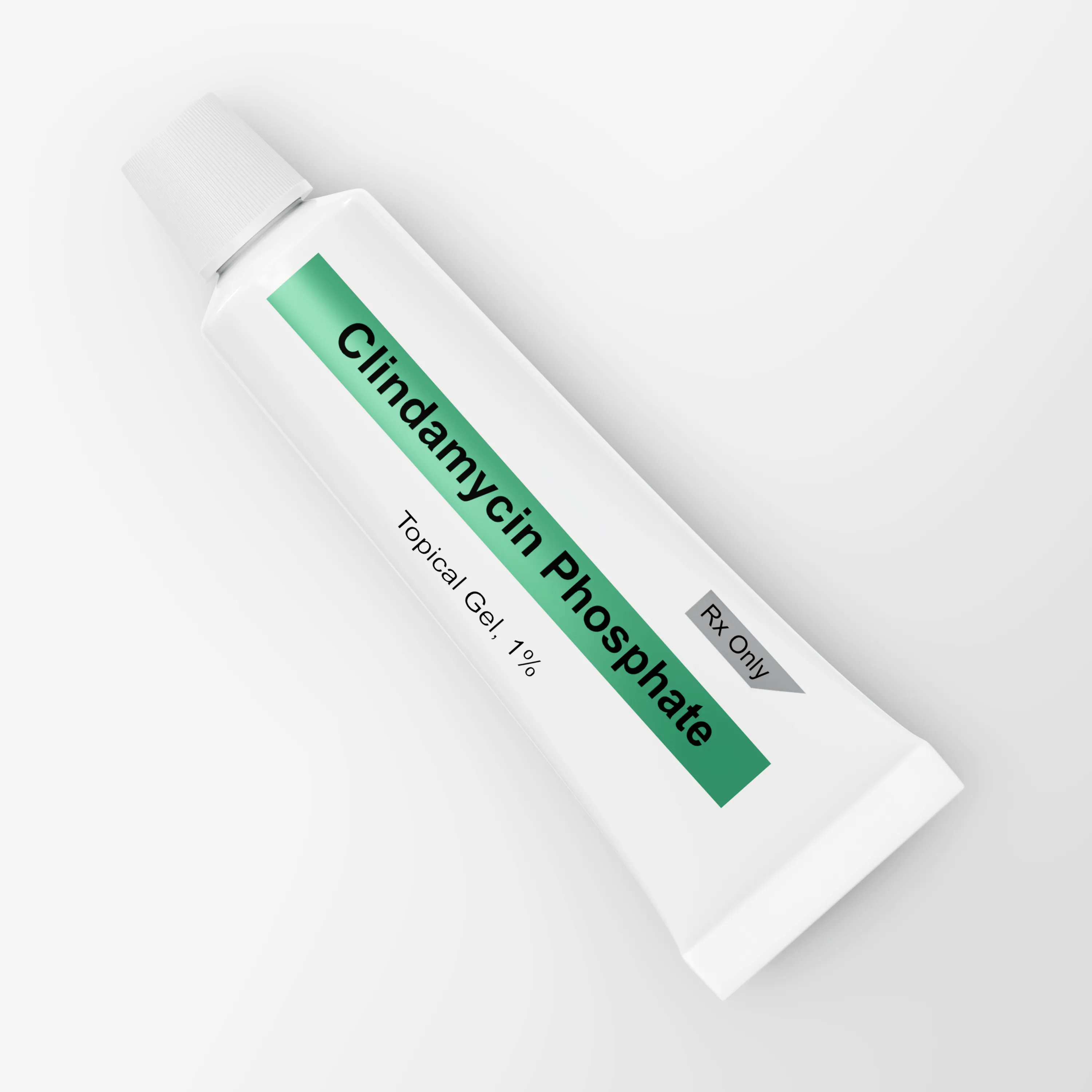
Clindamycin treatmentTopical lincosamide antibiotic

Clindamycin

Works primarily on treated skin and is strongly recommended as a topical-antibiotic option. It may fit a more localized inflammatory pattern, but it still requires resistance-aware combination care and duration review.

  • Often discussed forMild-to-moderate inflamed papules and pustules in an accessible treatment area
  • Treatment areaThe full affected skin field that consistently receives the prescribed vehicle
  • TradeoffMostly local irritation, but absorption is not zero and rare serious diarrhea or colitis can occur
  • Planned roleControl a localized flare while non-antibiotic topicals carry the longer strategy

Fit and non-fit guidance

Count the inflamed areas, not just the products in the cabinet

The route depends on lesion type, surface area, scarring risk, prior treatment, routine feasibility and safety.

Doxycycline may fit when…

  • Inflamed lesions are numerous, tender or spread across several regions
  • Chest or back acne makes complete topical coverage difficult
  • Topical care alone has not controlled a moderate-to-severe flare
  • A limited systemic phase can support a provider-built topical routine

It may not fit when

  • Blackheads and whiteheads dominate without substantial inflammation
  • Pregnancy, age, allergy, swallowing issues or another medicine changes tetracycline safety
  • There is no benzoyl-peroxide or other non-antibiotic topical plan
  • The proposed course has no reassessment point or antibiotic exit

Clindamycin may fit when…

  • Mild-to-moderate red or swollen lesions are concentrated in a manageable area
  • A topical vehicle can be applied consistently across the affected field
  • A benzoyl-peroxide partner and non-antibiotic maintenance layer are feasible
  • A localized approach is reasonable after the provider reviews severity

It may not fit when

  • Acne is severe, nodular, scarring or too widespread for practical application
  • There is a history of inflammatory bowel disease or antibiotic-associated colitis
  • The plan relies on clindamycin alone for long-term maintenance
  • Prior topical-antibiotic exposure stopped working and resistance is a concern
Not a routine combination: Oral doxycycline plus topical clindamycin duplicates antibiotic exposure. Honeydew says this pairing is generally not recommended; a clinician may make a specific exception.

The antibiotic-budget test

Spend the antibiotic exposure on one clear job

“More coverage” does not mean adding an antibiotic tablet to an antibiotic gel. Define one route and what works afterward.

Question one · reach

Is topical coverage realistic for the whole inflammatory field?

A topical can be focused when the affected area is limited and consistent application is realistic. When inflamed acne spans the face and trunk, oral doxycycline may provide more practical reach. That changes the exposure and safety calculation; it is not universally stronger.

Vehicle also affects adherence. Foam, gel, lotion and solution can behave differently by treatment area, so the provider selects the prescription rather than assuming every product is interchangeable.

Question two · exit

What non-antibiotic routine remains after the flare?

Benzoyl peroxide has a distinct stewardship role because it reduces bacterial load without being an antibiotic. A retinoid, azelaic acid, hormonal strategy or another layer may address maintenance or a different driver.

If response fades, the next move is not automatically a second antibiotic. The provider may reassess adherence, lesion type, hormonal pattern or escalation.

Evidence limit: Guidance supports both options, but direct evidence does not establish a universal winner. Route and regimen are individualized.

Side effects and safety

Systemic exposure is broader; topical exposure is not zero

Review medications, allergies, pregnancy plans and gastrointestinal history. Follow the dispensed product’s label and provider instructions.

Doxycycline

Common or important effects

  • Nausea, stomach upset or diarrhea
  • Sun sensitivity and exaggerated sunburn
  • Throat or esophageal irritation
  • Yeast or other non-susceptible-organism overgrowth

Important safety considerations

Use adequate fluid and follow instructions about staying upright. Antacids and products containing iron, aluminum, calcium or magnesium can impair absorption. Persistent headache, vision changes, severe rash, painful swallowing or severe diarrhea needs prompt clinical attention.

Pregnancy and children: Current tetracycline labeling contains fetal, tooth-development and skeletal-development cautions. Share pregnancy, breastfeeding and age information so the prescriber can decide whether doxycycline is appropriate.
Topical clindamycin

Common or important effects

  • Dryness, peeling or tightness
  • Itching, redness or dermatitis
  • Irritation that varies by vehicle and other products
  • Rare diarrhea, bloody diarrhea or antibiotic-associated colitis

Important safety considerations

Topical clindamycin is absorbed from skin, even though exposure is much lower than oral treatment. The cited gel label contraindicates use with clindamycin or lincomycin allergy, regional enteritis, ulcerative colitis or prior antibiotic-associated colitis. Significant diarrhea requires urgent contact with the prescriber.

Product matters: Gel, lotion, foam and solution can have different application schedules and excipients. Follow the directions for the exact prescription and keep it away from eyes, mouth and broken skin unless instructed otherwise.

Treatment timeline and role

Assess, support, reassess, then remove the antibiotic

The sequence is shared even when the route differs. These steps describe care decisions, not a self-directed dosing schedule.

Doxycycline · systemic course

Confirm the burden

Review lesion type, body distribution, prior topicals, pregnancy status, medicines, swallowing risks and the benzoyl-peroxide plan.

Track the flare

Compare consistent photos and count new tender lesions. Honeydew commonly describes meaningful reassessment across an 8–12-week course.

Step off deliberately

Stop when the prescriber says the antibiotic role is complete, then continue the non-antibiotic routine selected for maintenance.

Clindamycin · local course

Choose the vehicle

Match gel, lotion, foam or solution to the area, skin type and other products; apply only as the specific prescription directs.

Check coverage

Look beyond a single spot. Review whether the entire affected field is improving and whether dryness or irritation is limiting consistency.

Remove antibiotic dependence

Reassess the need for clindamycin rather than leaving it on autopilot; keep benzoyl peroxide or another non-antibiotic maintenance plan as directed.

Interactive cost comparison

Both prescriptions use Honeydew’s basic-care membership

Switch the billing schedule to see the membership fee. Medication, benzoyl peroxide and separately ordered care remain outside it.

Our basic membership

Doxycycline care

$25/month equivalent

Billed $299 once per year

Medication: Honeydew lists common examples around $10–$30 retail or $5–$15 with common discounts.

Labs: Not usually routine for a standard acne course; separate if ordered.

Our basic membership

Clindamycin care

$25/month equivalent

Billed $299 once per year

Medication: Honeydew says eligible insured patients may pay as little as $0 per box; vehicle, quantity and pharmacy change cost.

Labs: Not routinely required for topical clindamycin.

What changes the total

Route changes the pharmacy bill

Varies

Medication is billed separately

Doxycycline: Salt, release form, dose, quantity, insurance and pharmacy matter.

Clindamycin: Gel, lotion, foam, solution or a fixed combination can price differently.

Price snapshot reviewed August 3, 2026. Honeydew membership excludes prescription medication, lab work and over-the-counter products. Insurance and cash-price examples depend on eligibility and pharmacy, may change and are not guarantees. The interactive figures show membership billing only.

How your care works

Give one antibiotic a defined place in a complete routine

Connect route selection, non-antibiotic support, follow-up and the antibiotic exit.

1

Map every area

Upload face and body photos and describe tenderness, lesion type, scarring, prior antibiotics, routines and health history.

2

Choose the reach

Discuss whether the inflammatory burden calls for a localized topical role, a systemic course or a different strategy.

3

Build support

Add benzoyl peroxide and other non-antibiotic care as appropriate, while adjusting the routine for tolerance and adherence.

4

Close the course

Use progress photos and messages to reassess response, remove antibiotic exposure and strengthen maintenance.

Frequently asked questions

Doxycycline and clindamycin, answered

Can I use doxycycline and topical clindamycin together?

Not as a routine default. They are two antibiotic routes, and Honeydew’s doxycycline guidance says the combination is generally not recommended because it increases antibiotic exposure without a clear added role. A clinician may make a specific short-term exception. Do not combine prescriptions independently; ask which antibiotic and non-antibiotic topical layers belong in the plan.

Is doxycycline or clindamycin better for body acne?

Doxycycline may be more practical when moderate-to-severe inflammatory acne spans the chest, back and shoulders because it works systemically. A topical clindamycin foam or another vehicle may cover some body areas, but access, surface area and adherence matter. Severity and scarring risk can also point to a different treatment entirely.

Why does either antibiotic need benzoyl peroxide?

Benzoyl peroxide kills acne-associated bacteria through a non-antibiotic mechanism. Current AAD guidance recommends using it with topical and oral antibiotic treatment to help prevent resistance. It does not make either antibiotic risk-free, and irritation can require product spacing or frequency changes chosen by the provider.

Does topical clindamycin avoid systemic side effects?

It usually creates far less systemic exposure than an oral medicine, but “topical” does not mean zero absorption. Current labeling warns that diarrhea, bloody diarrhea and colitis have occurred, rarely with topical clindamycin. A history of inflammatory bowel disease or antibiotic-associated colitis is especially important to disclose.

How long can doxycycline or clindamycin be used?

There is no single stop date for every patient. Honeydew commonly describes doxycycline courses around 8–12 weeks, and antibiotic guidance emphasizes the shortest effective exposure with reassessment. Topical clindamycin also needs review rather than indefinite automatic refills. The clinician decides duration from response, safety and the maintenance plan.

What replaces the antibiotic after acne improves?

The maintenance layer is usually non-antibiotic and pattern-specific. A provider may use a topical retinoid, benzoyl peroxide, azelaic acid, hormonal therapy or another option. If acne returns, send updated photos rather than restarting leftover doxycycline or clindamycin; the diagnosis, routine and treatment role may need reassessment.

A clearer next step

Choose the antibiotic role and its exit together

Ask a dermatology provider whether your inflammatory acne needs local or systemic reach, how benzoyl peroxide fits, and which non-antibiotic layer should keep working afterward.

Get Started

Medical disclaimer: This page provides general U.S.-focused education and cost examples, not a diagnosis, pregnancy plan or personalized treatment recommendation. Do not start, stop, combine or change prescription medications without a licensed clinician. Seek urgent care for severe symptoms or a medical emergency.