Plaques keep coming back? A licensed Honeydew provider prescribes what fits your psoriasis, from steroid and steroid-free creams to a daily pill or a biologic when creams are not enough.
First consult free. Membership from $25/month, billed $299/year. Medications are not included and may be covered by insurance.
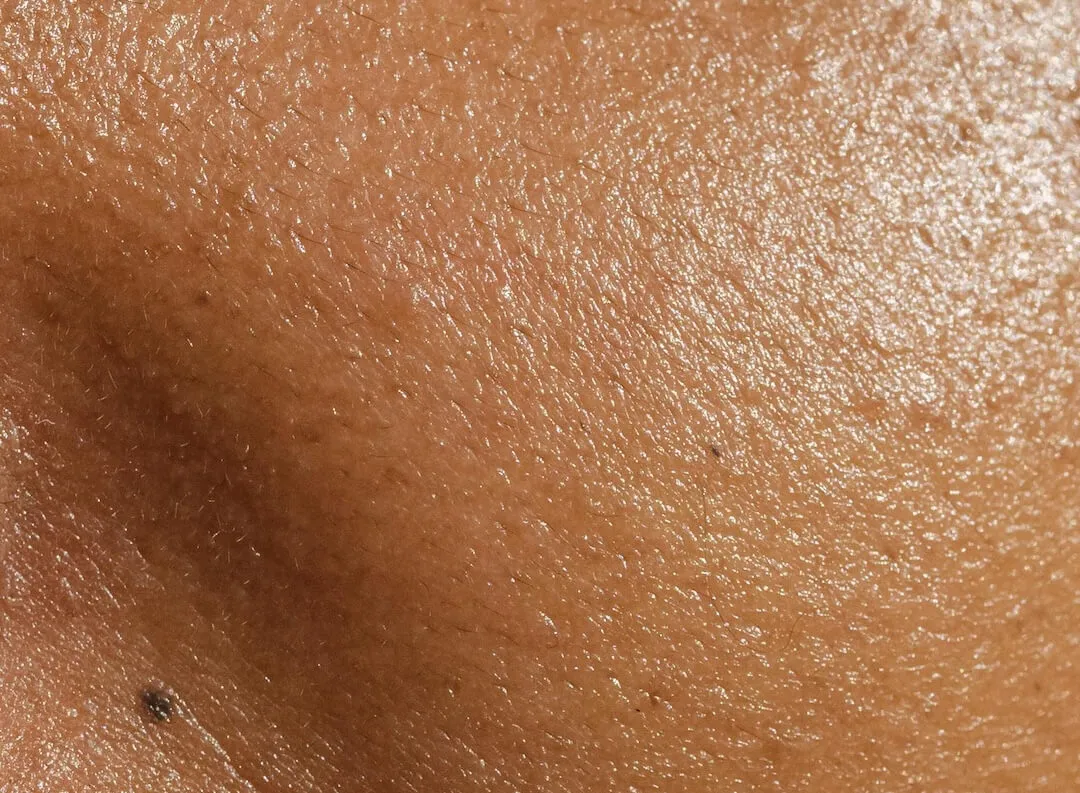

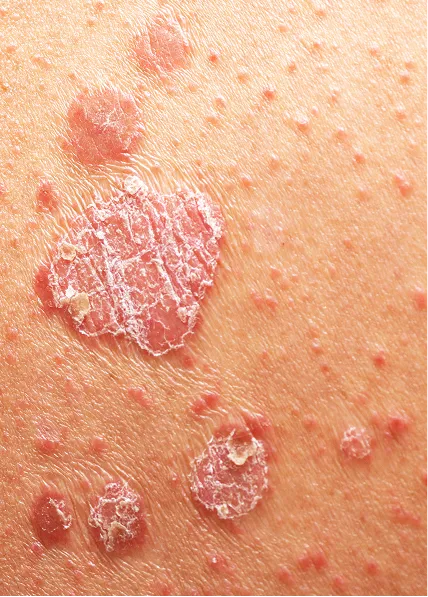
Psoriasis is a long-term immune condition that makes skin cells build up too fast. Most people have plaque psoriasis: raised, scaly patches, often on the elbows, knees, scalp, and lower back, that can itch, crack, and bleed.
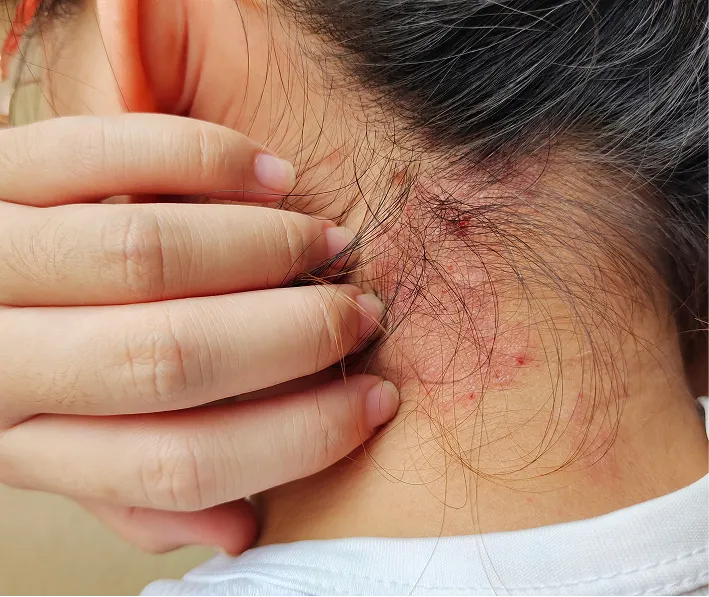
Scaly, itchy patches in the hair and along the hairline that are often mistaken for dandruff.
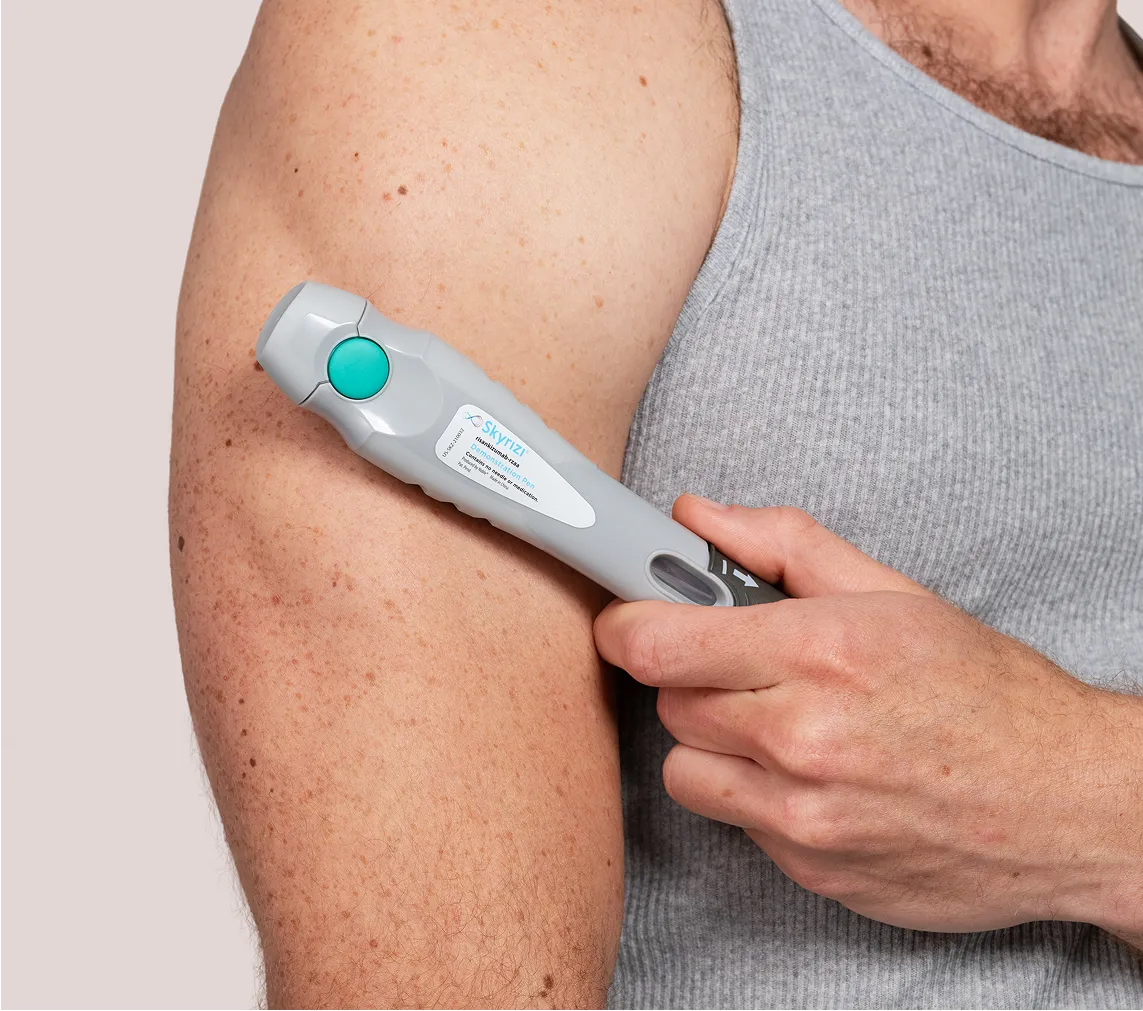
Psoriasis that covers a lot of skin, keeps coming back, or comes with joint pain may need treatment that works throughout the body.
Most plaque psoriasis starts with prescription creams: a steroid such as clobetasol for flares, or a steroid-free cream such as Zoryve or Vtama. When psoriasis covers more skin or creams are not enough, a daily pill or a biologic injection treats it throughout the body. Over-the-counter creams can ease itch and scale.
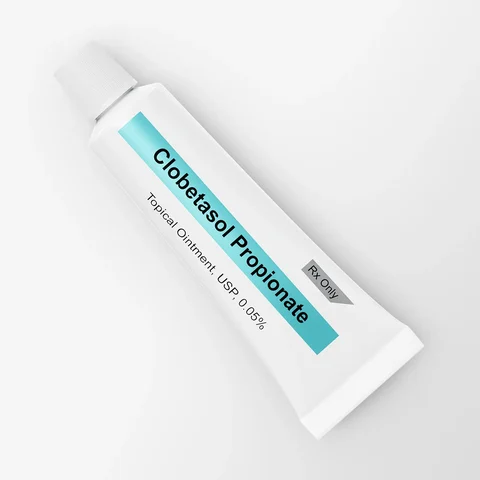
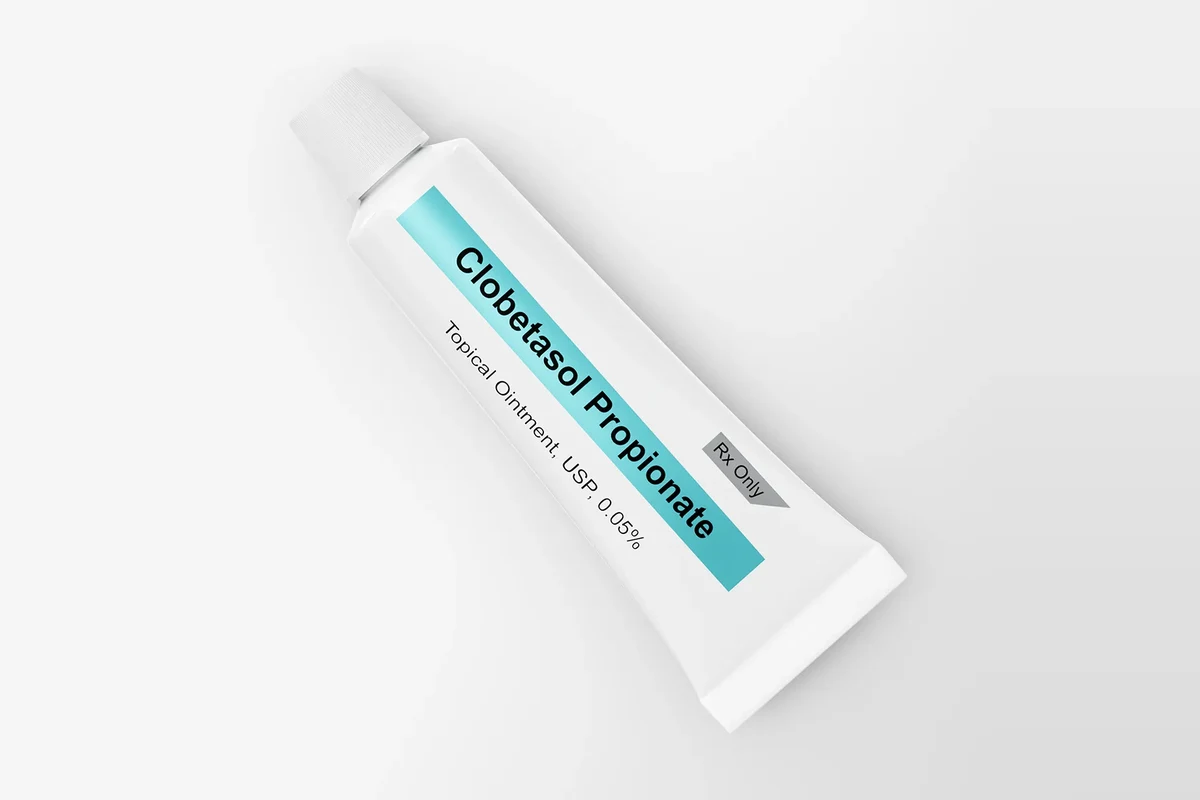
Clobetasol propionate 0.05% is a super-high-potency prescription steroid. It is FDA-approved to relieve the inflammation and itching of steroid-responsive skin conditions such as psoriasis, and it is often used for thick, stubborn plaques.
A thin layer on the plaques twice a day, rubbed in gently. A course lasts no more than 2 weeks in a row and no more than 50 g a week, and it stops once your skin is under control.
Do not use it on the face, groin, or armpits, or under bandages or wraps. Long or heavy use can thin the skin and, if enough is absorbed, affect your body's own steroid hormones. Burning and stinging are the most common side effects. It is not recommended for children under 12.
Clobetasol cream label on DailyMed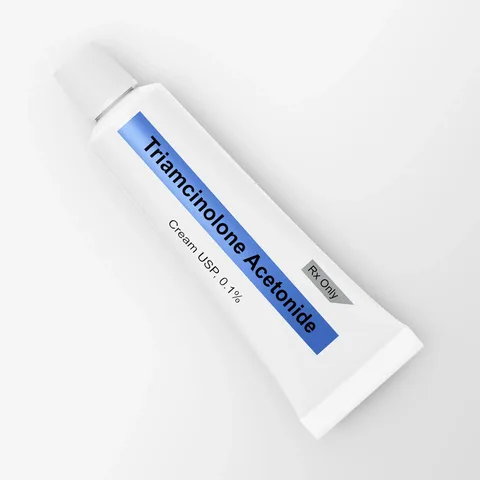
Triamcinolone acetonide 0.1% is a medium-strength prescription steroid for the inflammation and itching of steroid-responsive skin conditions, including psoriasis. It is less potent than clobetasol, which makes it a common choice for milder plaques on the body.
A thin layer on the affected skin 2 to 3 times a day, rubbed in gently.
Burning, itching, irritation, and dryness can happen. Long use, large areas, or covering the skin with wraps can thin the skin and raise the chance of side effects, so use it only as long as your provider directs.
Triamcinolone cream label on DailyMed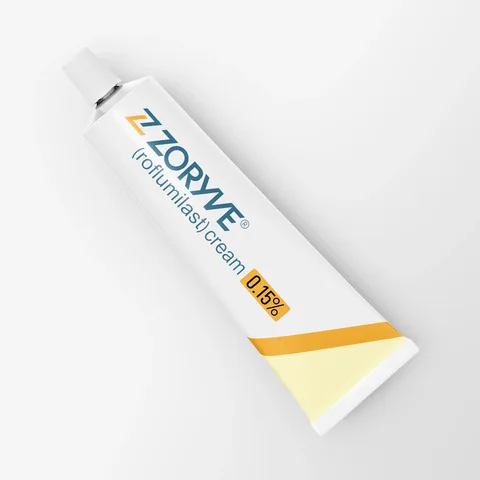
Zoryve® cream 0.3% (roflumilast) is a steroid-free prescription cream that calms the inflammation behind plaques by blocking an enzyme called PDE4. It is FDA-approved for plaque psoriasis in adults and children 2 and older, including in skin folds.
Once a day on the affected areas, rubbed in completely. Wash your hands afterward.
Do not use Zoryve if you have moderate to severe liver problems. The most common side effects in psoriasis studies were diarrhea, headache, trouble sleeping, nausea, pain where it was applied, upper respiratory infections, and urinary tract infections.
Zoryve cream label on DailyMed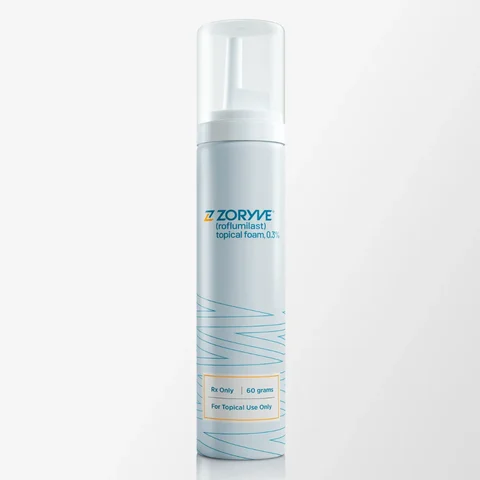
Zoryve® foam 0.3% has the same steroid-free ingredient as the cream in a foam that spreads easily through hair. It is FDA-approved for plaque psoriasis of the scalp and body in people 12 and older.
Shake the can, then apply a thin layer once a day to dry scalp or skin and rub it in completely. Wash your hands afterward.
The foam is flammable: avoid fire, flames, and smoking while you apply it and right after. Do not use it if you have moderate to severe liver problems. The most common side effects were headache, diarrhea, nausea, and a stuffy nose or sore throat.
Zoryve foam label on DailyMed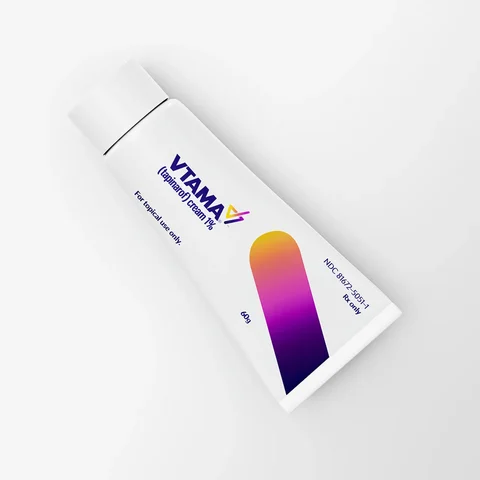
Vtama® (tapinarof) cream 1% is a once-a-day, steroid-free prescription cream. It is FDA-approved for plaque psoriasis in adults and works by activating a receptor in the skin that turns down inflammation.
A thin layer on the affected areas once a day. Wash your hands afterward, unless you are treating your hands.
The most common side effects in psoriasis studies were inflamed hair follicles (small red bumps), a stuffy nose or sore throat, a skin rash where it was applied, headache, itching, and flu. Tell your care team if bumps or a rash appear.
Vtama label on DailyMed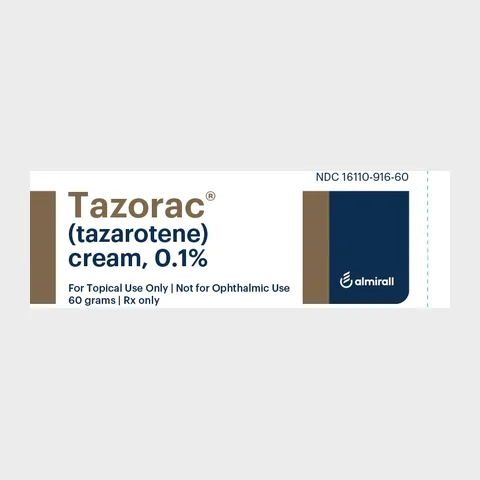
Tazarotene (Tazorac® and generics) is a prescription retinoid cream. At 0.05% and 0.1% it is FDA-approved for plaque psoriasis, where it slows the overgrowth of skin cells that forms plaques.
A thin layer once a day in the evening, only on the plaques.
Do not use tazarotene if you are pregnant: it can harm an unborn baby. If you can become pregnant, you need a negative pregnancy test within 2 weeks before starting and effective birth control during treatment. Itching, redness, and burning are the most common side effects. Avoid sunlamps and too much sun, and use sunscreen.
Tazarotene cream label on DailyMed“We’ve known for a long time that psoriasis is driven by the immune system, especially the immune cells that kick off the inflammation. If you have psoriasis, it’s worth having your cholesterol, blood sugar and blood pressure checked, because those conditions are more common with psoriasis and managing them matters for your overall health.”
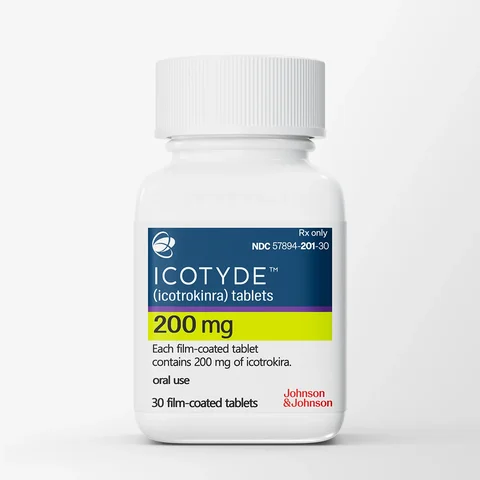
ICOTYDE (icotrokinra) is a once-a-day pill that blocks the IL-23 receptor, the same pathway several biologic injections target. It is FDA-approved for moderate to severe plaque psoriasis in adults and children 12 and older who weigh at least 40 kg and need treatment beyond creams.
One 200 mg tablet each morning on an empty stomach with water. Wait at least 30 minutes before eating.
ICOTYDE can raise the risk of infections, so it is not started during an active infection, and your provider may check for tuberculosis first. Avoid live vaccines while taking it. The most common side effects were headache, nausea, cough, fungal infections, and tiredness.
ICOTYDE label on DailyMed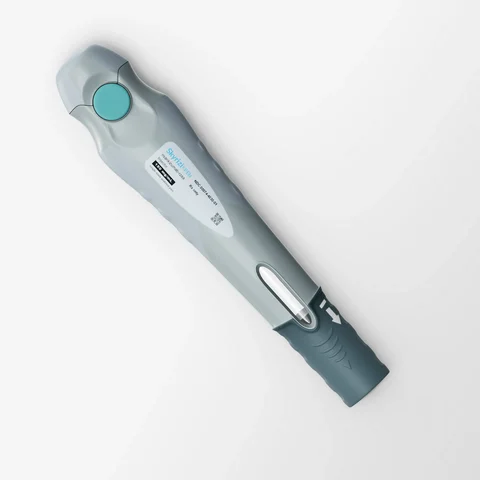
Skyrizi® (risankizumab-rzaa) is a biologic that blocks IL-23, a protein that drives psoriasis inflammation. It is FDA-approved for moderate to severe plaque psoriasis in adults and children 6 and older who need treatment beyond creams, and for psoriatic arthritis.
A 150 mg injection under the skin at week 0 and week 4, then once every 12 weeks, so four doses a year after the start.
Skyrizi can cause serious allergic reactions and can raise the risk of infections, so it is not given during an active infection. Your provider may check for tuberculosis before you start, and you should avoid live vaccines during treatment.
Skyrizi label on DailyMed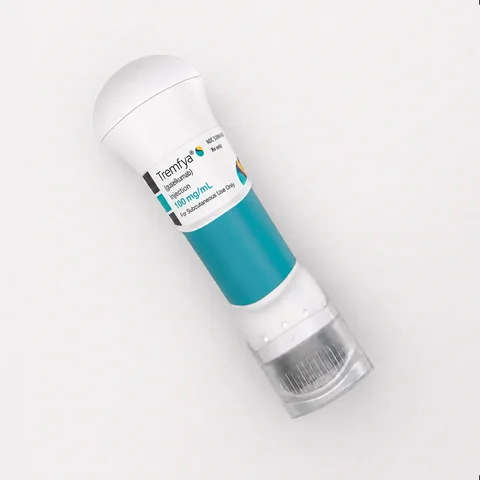
Tremfya® (guselkumab) is a biologic that also blocks IL-23. It is FDA-approved for moderate to severe plaque psoriasis in adults and in children 6 and older who weigh at least 40 kg and need treatment beyond creams, and for psoriatic arthritis.
A 100 mg injection under the skin at week 0 and week 4, then once every 8 weeks.
Tremfya can cause serious allergic reactions and can raise the risk of infections. Your provider checks for tuberculosis before you start, and you should avoid live vaccines during treatment. Drug-induced liver injury has been reported.
Tremfya label on DailyMed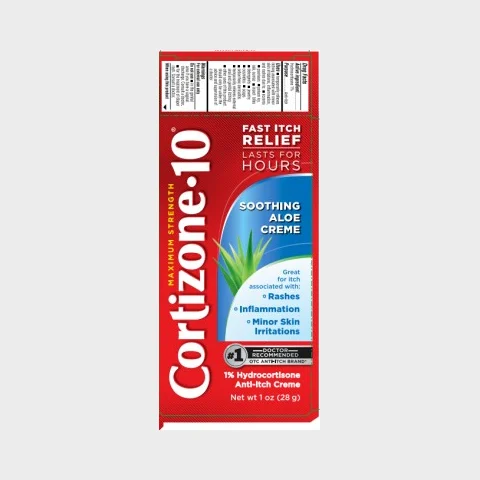
Cortizone-10® (hydrocortisone 1%) is a mild over-the-counter steroid cream. Its label covers short-term relief of itching from skin irritation and rashes, including psoriasis. It is far weaker than prescription steroids, so it will not clear thick plaques.
Apply to the affected area no more than 3 to 4 times a day, for adults and children 2 and older.
For external use only. Avoid your eyes and do not use more than directed. Stop and ask a doctor if your skin gets worse, if symptoms last more than 7 days, or if they clear up and come back within a few days.
Cortizone-10 label on DailyMed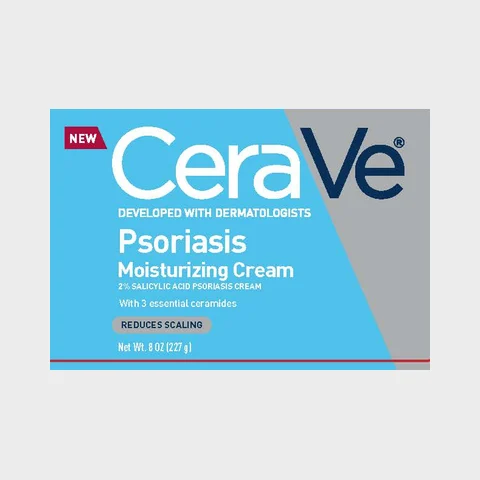
CeraVe® Psoriasis Moisturizing Cream has 2% salicylic acid, which softens and lifts scale, plus urea and ceramides to moisturize. Its label covers relief of itching, scaling, redness, and flaking from psoriasis and helps keep symptoms from coming back.
Apply to the affected area 1 to 4 times a day, or as directed by a doctor.
For external use only; keep it out of your eyes. Ask a doctor first if your psoriasis covers a large area of the body, and stop and ask a doctor if it gets worse or does not improve.
CeraVe Psoriasis cream label on DailyMed
Answer a short questionnaire and upload photos of your skin. Your first consult is free, and in many cases treatment can start without a video visit.
Your provider looks at your photos and history and builds a plan with you. If a visit is needed, you can book a video consult within 48 hours.
If a treatment is prescribed, we handle prior authorization and send it to your pharmacy or a specialty pharmacy, or deliver it to your door.
Track your progress with photos and message your Care Team anytime for questions, refills, and guidance, 7 days a week.
Not sure where to start? Ask your provider during your free consult.
Start your free consultIt depends on where your plaques are and how thick they are. Strong steroid creams such as clobetasol work fast on thick plaques but are limited to short courses. Steroid-free creams such as Zoryve (roflumilast) and Vtama (tapinarof) are FDA-approved for plaque psoriasis and are applied once a day. Your provider chooses based on your skin, the area, and what you have already tried.
Yes, for mild symptoms. Creams with 2% salicylic acid soften scale, coal tar products ease itching and scaling, and 1% hydrocortisone relieves itch for a short time. They do not control moderate or severe psoriasis. For that, your provider can prescribe a stronger cream, a pill, or a biologic.
When psoriasis is moderate to severe, covers a large area, or does not respond to creams. ICOTYDE is a once-a-day pill, and Skyrizi and Tremfya are injections given every 12 or every 8 weeks after two starter doses. All three work on the IL-23 pathway that drives psoriasis inflammation.
Strong steroid creams usually help within 2 weeks; if they do not, the clobetasol label advises rechecking the diagnosis. The main studies of Zoryve cream measured results at 8 weeks, Vtama at 12 weeks, and the biologics at 16 weeks. Your provider tracks your progress through photos and adjusts your plan.
Yes. You answer a few questions and upload photos, and a licensed Honeydew provider builds your plan. Creams and pills are sent to your pharmacy, and for biologics your care team handles prior authorization with your insurer.
Your first consult is free, and Honeydew membership starts at $25/month, billed $299/year (HSA/FSA eligible). Medications are not included in the membership: they are billed by the pharmacy and may be covered by insurance. For biologics, your care team handles the prior authorization paperwork.