Key Takeaways

If you are dealing with hard, painful bumps deep under your skin that refuse to go away no matter what you try, you may be experiencing nodular acne. Unlike a typical pimple that comes and goes in a few days, nodular acne can persist for weeks or even months, leaving you frustrated, self-conscious, and wondering what you are doing wrong.
The truth is, nodular acne is not your fault. It is not caused by poor hygiene or a lack of effort. It is a medical condition rooted in hormones, genetics, and inflammation that occurs far beneath the surface of your skin. And because it forms so deep, the face washes, spot treatments, and acne patches that might work for milder breakouts are simply not designed to treat it.
The good news is that highly effective treatments exist. Understanding what nodular acne is, what causes it, and how to treat it properly is the first step toward clearing your skin for good.
Quick Answer: How to Treat Nodular Acne
Nodular acne requires prescription treatment. Over-the-counter products cannot reach lesions that form this deep under the skin. The most effective options include:
- Isotretinoin (Accutane) — The most effective treatment for nodular acne, with up to 97% improvement rates
- Oral antibiotics — Doxycycline or minocycline to reduce bacterial inflammation
- Hormonal therapy — Spironolactone for hormonally driven nodular acne
- Cortisone injections — For rapid relief of individual painful nodules
A board-certified dermatologist can evaluate your skin and build a personalized plan. Get started with Honeydew for same-day or next-day appointments.
What Is Nodular Acne?
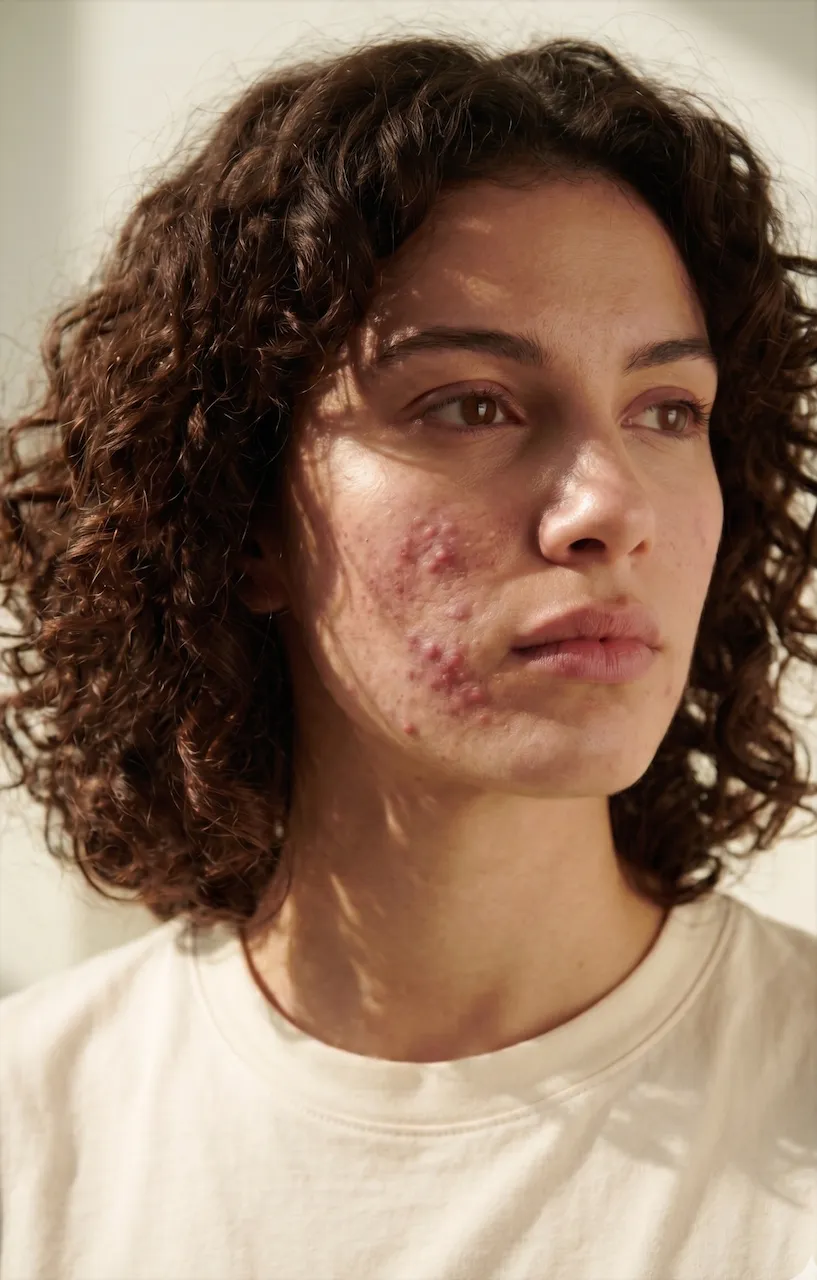
Nodular acne is a form of inflammatory acne that develops deep within the dermis — the thick middle layer of your skin. Unlike surface-level pimples like whiteheads and blackheads, nodular acne forms as hard, painful bumps that you can feel beneath the skin but that may not always come to a visible head.
According to the American Academy of Dermatology (AAD), acne nodules are large, inflamed lesions that feel hard to the touch and are lodged deep in the skin. They develop when the walls of a clogged pore rupture deep within the dermis, allowing bacteria, oil, and dead skin cells to spread into surrounding tissue and trigger a significant inflammatory response.
Key characteristics of nodular acne include:
- Size: Typically 5mm or larger in diameter — noticeably bigger than a standard pimple
- Depth: Forms deep within the dermis, well below the skin's surface
- Texture: Feels hard and firm to the touch, unlike the softer, fluid-filled feel of cysts
- Pain: Often tender or painful, especially when pressed
- Duration: Can persist for weeks or months without treatment
- Scarring risk: High likelihood of leaving permanent acne scars if not treated properly
Nodular acne most commonly appears on the face, but it can also develop on the chest, back, and shoulders. It can occur at any age but is especially common during adolescence and in adults with hormonal acne.
What Causes Nodular Acne?
Understanding what causes nodular acne is essential for effective treatment. While the surface-level mechanism involves clogged pores and bacterial overgrowth, the deeper causes are more complex.
Hormonal fluctuations
Androgens — hormones like testosterone and DHEA-S — are the primary hormonal drivers of nodular acne. When androgen levels rise, your sebaceous glands produce more sebum (oil). This excess oil mixes with dead skin cells inside your pores, creating the perfect environment for deep, inflammatory breakouts. A 2014 review in the Journal of Clinical and Aesthetic Dermatology confirmed the strong link between androgen activity and the development of inflammatory acne, including nodular lesions.
Hormonal fluctuations during puberty, menstrual cycles, pregnancy, and periods of high stress can all trigger or worsen nodular acne.
Genetics
If your parents or siblings experienced severe acne, you are significantly more likely to develop nodular acne yourself. Research published in the Journal of Investigative Dermatology has identified multiple genetic factors that influence sebum production, pore size, inflammatory response, and your skin's susceptibility to acne-causing bacteria — all of which contribute to nodular breakouts.
Overproduction of sebum
Your sebaceous glands produce oil to keep your skin moisturized, but some people naturally produce far more sebum than others. When excess oil combines with dead skin cells, it creates a plug deep within the pore. If that plug ruptures beneath the surface rather than at the top of the pore, the result is a deep nodular lesion rather than a surface-level pimple.
Bacterial proliferation
Cutibacterium acnes (C. acnes) is a bacterium that naturally lives on your skin. In the oxygen-deprived, oil-rich environment of a clogged pore, C. acnes can multiply rapidly. According to a study in Dermatologic Therapy, the immune system's aggressive inflammatory response to this bacterial overgrowth is what drives the formation of deep, painful nodules.
Chronic inflammation
Some individuals have an immune system that responds more aggressively to clogged pores and bacterial presence. This heightened inflammatory response produces larger, deeper, and more painful lesions. Factors like chronic stress, diet, and even gut health can amplify systemic inflammation that contributes to nodular acne.
What to expect: If you have nodular acne, it is important to know that this is not caused by anything you are doing wrong. You cannot scrub it away or dry it out with stronger products. In fact, aggressive over-treatment can irritate your skin and make nodular acne worse. The causes are largely internal — hormonal and genetic — which is why prescription treatment is necessary.
Nodular Acne vs. Cystic Acne: What Is the Difference?
Nodular acne and cystic acne are often mentioned together — and for good reason. Both are forms of deep, inflammatory acne that are painful and prone to scarring. However, they are not the same condition, and the distinction matters for treatment.
| Feature | Nodular Acne | Cystic Acne |
|---|---|---|
| Texture | Hard, solid, firm to the touch | Softer, fluid-filled (contains pus) |
| Depth | Deep within the dermis | Deep within the dermis |
| Appearance | Skin-colored or red bump, rarely comes to a head | Red or white bump, may have a visible pus-filled center |
| Pain | Painful, especially under pressure | Painful, often throbbing |
| Contents | Solid inflammatory tissue | Pus and fluid |
| Scarring risk | High | Very high |
| Treatment overlap | Both respond best to isotretinoin, oral antibiotics, and hormonal therapy | |
Many people experience both nodular and cystic lesions simultaneously — a condition dermatologists refer to as nodulocystic acne. Whether you have nodules, cysts, or a combination, the treatment approach is similar: prescription medication is essential. For a deeper look at cystic acne specifically, see our guide on how to get rid of cystic acne.
How to Treat Nodular Acne
Treating nodular acne effectively requires prescription-strength medication. Because these lesions form deep beneath the skin's surface, topical over-the-counter products simply do not penetrate deeply enough to address the root cause. Here are the most effective treatment options, starting with the gold standard.
Isotretinoin (Accutane)
Isotretinoin — commonly known by the brand name Accutane — is the most effective treatment for nodular acne and is considered a first-line option by dermatologists. It is the only acne medication that targets all four underlying causes of acne simultaneously: excess sebum production, clogged pores, bacterial overgrowth, and inflammation.
A landmark study published in JAMA Dermatology demonstrated that isotretinoin achieves up to 97.4% improvement in acne at 12 months. Unlike other treatments that manage symptoms, isotretinoin can produce long-term remission — meaning your acne does not come back after you finish your course.
Key facts about isotretinoin for nodular acne:
- Treatment length: Typically 4 to 6 months
- Success rate: 85-95% of patients achieve clear or near-clear skin
- Long-term remission: Approximately 70% of patients remain clear after a single course
- Dosing options: Both standard and low-dose protocols are available depending on severity and tolerability
- Monitoring required: Regular blood tests and check-ins with your dermatologist
Common side effects of isotretinoin include dry skin, chapped lips, and dry eyes. More serious side effects are possible but rare. Your dermatologist will monitor you closely throughout treatment and adjust your dose as needed. People who may become pregnant must follow the iPLEDGE program requirements due to the risk of birth defects.
What to expect: Isotretinoin is not a "last resort" for nodular acne — it is a primary treatment. The AAD guidelines recommend isotretinoin as a first-line therapy for nodular acne because of its superior efficacy and ability to prevent permanent scarring. If your acne is forming hard, painful nodules, there is no reason to exhaust other options first when isotretinoin is the most effective path to lasting clearance.
Oral antibiotics
Oral antibiotics like doxycycline and minocycline can help reduce the bacterial component and inflammation driving nodular acne. They work by decreasing the population of C. acnes bacteria and calming the immune system's inflammatory response.
Antibiotics are typically used for shorter courses (3 to 6 months) and are often combined with topical treatments. However, they do not address all the underlying causes of nodular acne the way isotretinoin does, and acne frequently returns after antibiotics are discontinued. For more on doxycycline, see our article on how long doxycycline takes to work for acne.
Hormonal therapy (spironolactone)
For patients whose nodular acne is driven primarily by hormonal factors, spironolactone can be an effective option. Spironolactone works by blocking androgen receptors, which reduces the hormonal signal that drives excess oil production.
Spironolactone is particularly useful for adult patients experiencing nodular acne along the jawline, chin, and lower face — areas where hormonal acne tends to concentrate.
Prescription topical treatments
While topical treatments alone are generally not strong enough for nodular acne, they play an important supporting role when combined with oral medications:
- Tretinoin (topical retinoid): Promotes cell turnover and prevents pore clogging. Learn more in our article on whether retinol helps with acne.
- Benzoyl peroxide: Kills acne-causing bacteria and helps prevent antibiotic resistance when used alongside oral antibiotics
- Topical antibiotics (clindamycin): Reduces surface bacteria, typically used in combination with benzoyl peroxide
Cortisone injections
For individual painful nodules that need rapid relief, a dermatologist can inject a dilute corticosteroid directly into the lesion. According to the AAD, cortisone injections can flatten a nodule within 24 to 48 hours, providing significant pain relief and reducing the risk of scarring. This is not a long-term treatment strategy, but it is an effective tool for managing acute flare-ups.
Red flag: Never attempt to squeeze, pop, or lance a nodular acne lesion at home. Because nodules are solid and deep, squeezing them will not release anything — it will only drive the inflammation deeper into your skin, significantly increase the risk of permanent scarring, and can introduce infection. Always let a dermatologist handle extraction or injection.
Can You Treat Nodular Acne at Home?
This is one of the most common questions we hear, and the honest answer is: no, you cannot cure nodular acne with home remedies or over-the-counter products alone. The lesions form too deep beneath the skin's surface for topical treatments to reach them effectively.
That said, there are supportive steps you can take at home that may help reduce irritation, prevent new breakouts, and complement your prescription treatment plan:
Supportive at-home care
- Use a gentle, non-comedogenic cleanser: Avoid harsh scrubs or exfoliants that can irritate inflamed nodules. A mild cleanser with salicylic acid (2%) can help keep pores clear at the surface level.
- Apply ice for pain relief: Wrapping an ice cube in a cloth and holding it against a painful nodule for 5 to 10 minutes can reduce swelling and numb discomfort temporarily.
- Moisturize: A lightweight, oil-free, non-comedogenic moisturizer helps maintain your skin barrier — especially important if you are using prescription retinoids or isotretinoin. See our guide to the best moisturizer for acne-prone skin.
- Protect your skin from the sun: UV exposure can worsen post-inflammatory hyperpigmentation from nodular acne. Use a broad-spectrum SPF 30+ sunscreen daily.
- Avoid touching your face: Touching your face can transfer bacteria and cause further irritation to inflamed areas.
- Consider dietary adjustments: While diet alone will not cure nodular acne, reducing high-glycemic foods and dairy may help reduce overall inflammation for some people.
Red flag: Be wary of social media advice promoting DIY treatments for deep acne — things like toothpaste, lemon juice, baking soda, or at-home cortisone cream. These can cause chemical burns, disrupt your skin barrier, and worsen hyperpigmentation. Nodular acne is a medical condition that requires medical treatment.
Nodular Acne and Scarring
One of the most important reasons to seek treatment for nodular acne promptly is the risk of permanent scarring. Because the inflammation occurs deep within the dermis, nodular acne frequently damages the underlying collagen structure of your skin. This can result in:
- Ice pick scars: Deep, narrow, pitted scars
- Boxcar scars: Broad, rectangular depressions with sharp edges
- Rolling scars: Wide, shallow indentations that give the skin a wavy appearance
- Post-inflammatory hyperpigmentation (PIH): Dark spots that linger for months or years after a nodule heals
The longer nodular acne goes untreated, the greater the risk of scarring. Effective treatment — particularly with isotretinoin — not only clears existing nodules but also prevents new ones from forming, which is the most effective way to prevent acne scars.
When to See a Dermatologist for Nodular Acne
If you suspect you have nodular acne, the answer is straightforward: see a dermatologist as soon as possible. Unlike mild acne that may respond to a good skincare routine and time, nodular acne almost always requires professional evaluation and prescription medication.
See a Dermatologist If You Experience:
- Hard, painful bumps under the skin that last weeks or months
- Deep breakouts that do not respond to over-the-counter treatments
- Acne that is leaving scars or dark marks
- Breakouts on the face, chest, or back that keep recurring
- Acne that is affecting your confidence or quality of life
At Honeydew, our board-certified dermatologists, nurse practitioners, and physician assistants specialize in treating all forms of acne, including nodular acne. We offer same-day and next-day virtual appointments, so you do not have to wait weeks for an opening. Our providers will evaluate your skin, discuss your treatment history, and build a personalized plan — whether that includes isotretinoin, oral antibiotics, hormonal therapy, or a combination approach.
Key Takeaways
- Nodular acne is a medical condition — not the result of poor hygiene or inadequate skincare.
- Over-the-counter products are not effective for nodular acne because the lesions form deep within the dermis.
- Isotretinoin (Accutane) is a first-line treatment, not a last resort. It is the most effective option for clearing nodular acne and preventing scarring.
- Other prescription options include oral antibiotics, spironolactone, prescription retinoids, and cortisone injections.
- Prompt treatment is critical to prevent permanent scarring from deep inflammatory lesions.
- At-home care plays a supporting role — gentle cleansing, moisturizing, and sun protection complement prescription treatment but do not replace it.
If you are struggling with hard, painful breakouts that will not go away, you do not have to wait it out or keep trying products that are not working. A board-certified dermatologist can evaluate your skin and get you started on a treatment that actually reaches the source of the problem.
.webp)

Medically Reviewed by
Joel Spitz, MD
Co-Founder & Chief Medical Officer, Board Certified Dermatologist